Dekabi Stem Cell Clinic in Gangnam, Seoul · Trusted Regenerative Medicine Over 22 Years

Regenerative Medicine Guide
How Stem Cells Are Used to Restore Volume and Lift Without Surgery
Discover how stem cell therapy restores facial volume and lift naturally, offering a non-surgical solution for youthful, rejuvenated skin.
Schedule a ConsultationHow Stem Cells Are Used to Restore Volume and Lift Without Surgery

In today’s era of advanced regenerative medicine, restoring a youthful, lifted face no longer requires surgical intervention. Stem cell therapy has emerged as one of the most exciting breakthroughs in aesthetics—offering a natural, long-lasting way to restore volume, lift sagging tissues, and rejuvenate skin from the inside out.
At Dekabi Stem Cell Clinic in Seoul’s prestigious Gangnam District, Dr. Eun Young Baek has dedicated over two decades to perfecting stem cell treatments, making them safer, more effective, and more personalized. By combining regenerative medicine with aesthetic artistry, Dr. Baek helps patients achieve a refreshed, youthful look—without a single incision.
This in-depth guide explains how stem cells restore volume and lift, how the procedure works, and why it’s a game-changer for anti-aging.
Why We Lose Facial Volume and Lift Over Time
The signs of facial aging are caused by more than just wrinkles. Over time, multiple layers of the face undergo change:
Fat Pads Shrink and Shift – Youthful cheeks and under-eyes rely on plump fat pads for shape. Aging causes these pads to lose volume and descend, leading to hollows and sagging.
Bone Density Declines – Facial bones, especially in the midface, resorb over time, reducing structural support for the overlying skin.
Skin Loses Elasticity – Collagen and elastin production slow, making the skin thinner and less resilient.
Muscles Weaken – Some facial muscles atrophy, contributing to drooping and lack of definition.
Circulation Reduces – Diminished microcirculation leads to dull skin tone and slower healing.
The result is a hollowed, tired look—even in people who feel energetic and healthy.
Traditional Solutions—and Their Limitations
Before stem cells, patients seeking facial rejuvenation had limited choices:
Dermal Fillers – Add instant volume but are temporary (6–18 months) and can sometimes create an unnatural look if overused.
Thread Lifts – Provide a mechanical lift but minimal volume restoration; results typically last 12–18 months.
Laser & RF Treatments – Tighten skin and stimulate collagen but cannot restore deep structural volume.
Surgical Facelifts – Remove excess skin and reposition tissue but do not regenerate lost volume or improve skin biology.
While these methods have their place, none address the root cause of aging: the gradual loss of healthy, functional tissue.
The Regenerative Advantage of Stem Cells
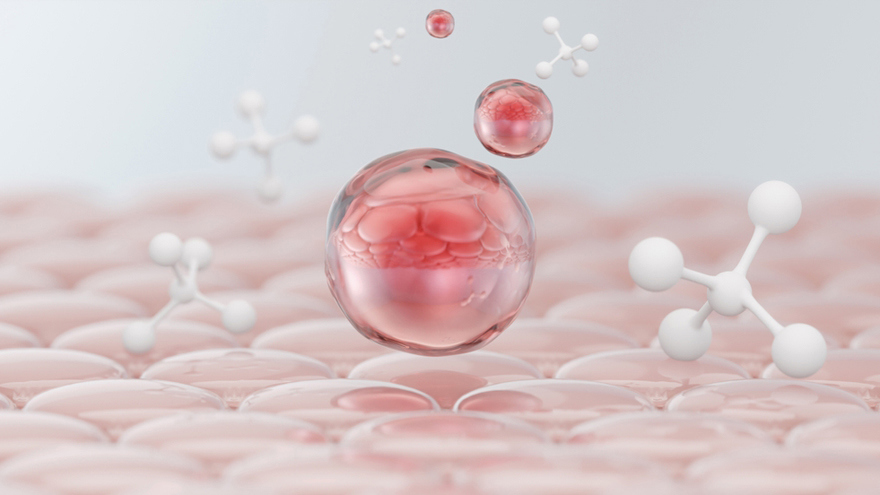
Stem cells are unspecialized cells with the remarkable ability to develop into various specialized cells, including fat cells, collagen-producing fibroblasts, and blood vessel cells. When placed into aging facial tissues, they do more than just “fill” space—they rebuild it.
Key regenerative actions of stem cells in the face:
Tissue Regeneration – Differentiate into new fat cells, restoring natural volume.
Collagen & Elastin Boost – Stimulate fibroblasts to produce structural proteins for firmer skin.
Improved Circulation – Promote angiogenesis (new blood vessel formation), nourishing tissues and enhancing skin glow.
Anti-Inflammatory Effect – Reduce chronic low-grade inflammation, which accelerates aging.
Cell Communication – Release growth factors that signal surrounding cells to repair themselves.
This regenerative cascade is why stem cell restoration offers longer-lasting, more natural results than synthetic fillers or lifting threads.
The Dekabi Stem Cell Facial Restoration Process
At Dekabi Stem Cell Clinic, every treatment is fully customized, with precise planning to match each patient’s facial structure and aging pattern.
Step 1 – Consultation & 3D Facial Mapping
Dr. Baek performs a detailed evaluation using both visual assessment and advanced imaging to identify areas of volume loss, skin thinning, and laxity. This ensures a targeted approach.
Step 2 – Harvesting Stem Cells
A small amount of fat (typically 20–50 ml) is taken from a discreet area, often the abdomen or thighs, via minimally invasive liposuction under local anesthesia.
Fat is chosen because it contains a high concentration of mesenchymal stem cells (MSCs)—ideal for regenerative purposes.
Step 3 – Stem Cell Isolation & Preparation
In a sterile, controlled environment, the fat is processed to separate and concentrate the stem cells.
Depending on the goal, the stem cells may be:
Combined with purified micro-fat for extra structural volume
Enriched with platelet-rich plasma (PRP) for enhanced growth factor activity
Step 4 – Strategic Injection
Using microcannulas, Dr. Baek injects the stem cell solution at multiple depths—deep into structural layers for support and more superficially to improve skin texture.
Target areas can include the cheeks, jawline, temples, under-eyes, nasolabial folds, and chin.
Step 5 – Recovery & Regeneration
Most patients experience only mild swelling and bruising for 2–5 days.
Over the next weeks and months, the injected cells integrate, regenerate tissue, and gradually improve the face’s contours and skin quality.
Patient Experience: What It Feels Like
While everyone’s journey is unique, most Dekabi patients describe the process as surprisingly comfortable:
During the Procedure – Local anesthesia keeps discomfort minimal; many patients listen to music or chat during the fat harvest and injections.
Immediately After – Mild tightness or fullness is normal. Swelling peaks at 48 hours and subsides quickly.
First Month – Subtle improvements in hydration and skin glow are visible; early signs of lifting may appear.
Months 2–6 – The most dramatic changes occur—fuller cheeks, softened folds, and a natural “lift” as skin becomes firmer and better supported.
The Results: Volume, Lift, and Skin Quality in One Treatment
Unlike fillers or lifts that only address one aspect of aging, stem cell therapy works on multiple levels simultaneously:
Restored Midface Fullness – Cheeks regain their youthful contour.
Jawline Definition – Sagging tissue along the jaw is subtly lifted.
Under-Eye Rejuvenation – Hollow tear troughs are filled naturally, reducing shadows.
Improved Skin Texture – Pores appear smaller, fine lines fade, and skin gains a healthy sheen.
Balanced, Natural Appearance – Results are harmonious with the patient’s features—no “overfilled” look.
These improvements can last three to five years or longer, with some patients choosing small maintenance treatments to prolong results even further.
How Stem Cell Therapy Compares to Other Options
| Treatment | Volume Restoration | Lift | Skin Quality Improvement | Longevity | Downtime |
|---|---|---|---|---|---|
| Hyaluronic Acid Fillers | ✔️ Instant | Minimal | ❌ | 6–18 months | 1–2 days |
| Thread Lifting | ❌ | ✔️ Immediate | Minimal collagen stimulation | 12–18 months | 3–5 days |
| Laser / RF Tightening | ❌ | Mild | ✔️ Moderate | 6–12 months | 0–1 day |
| Surgical Facelift | ❌ | ✔️ Significant | ❌ | 7–10 years | 2–4 weeks |
| Stem Cell Restoration | ✔️ Gradual, natural | ✔️ Progressive | ✔️ Strong | 3–5+ years | 2–5 days |
Stem cell restoration stands apart because it addresses all three dimensions of facial aging in a single, minimally invasive session.
Who Makes the Best Candidate?
This treatment is ideal for:
Ages 35–70 with mild to moderate sagging or hollowing
Patients who want significant improvement without surgery
Those who prefer natural, long-term results
People with enough donor fat for cell harvesting
Patients in good general health and realistic expectations
It can also be combined with other regenerative techniques—such as skin resurfacing, microneedling, or energy-based tightening—for a comprehensive anti-aging plan.
Why Choose Dekabi Stem Cell Clinic
With 22 years of stem cell therapy expertise and 34 years in medical practice, Dr. Baek is one of South Korea’s pioneers in this field. Patients choose Dekabi because:
More Medical Articles
Continue exploring our evidence-informed stem cell and longevity guides.

Immune Regeneration: The Future of Anti-Aging and Longevity
Explore how immune regeneration with stem cell therapy offers a groundbreaking solution for healthier aging, restoring vitality, and reducing chronic inflammation.
Learn More
How Stem Cells Are Used to Restore Volume and Lift Without Surgery
Discover how stem cell therapy restores facial volume and lift naturally, offering a non-surgical solution for youthful, rejuvenated skin.
Learn More

Reversing Time with Stem Cell Therapy
Discover the power of stem cell therapy to rejuvenate and reverse aging effects. Learn how innovative treatments can restore your youthful vitality.
Learn More