Dekabi Stem Cell Clinic in Gangnam, Seoul · Trusted Regenerative Medicine Over 22 Years

Regenerative Medicine Guide
The Shift to Autologous Stem Cell Therapy in Korean Pain Care
Discover why Autologous Stem Cell Therapy is the new standard for pain care in Korea. Compare costs, outcomes, and root-cause healing at Dekabi Clinic.
Schedule a ConsultationChronic pain management in South Korea is undergoing a significant transformation. As the nation faces a rapidly aging society-with the population aged 65 and older expected to reach 20% by 2025-the burden of musculoskeletal disorders has surged. Traditional interventional treatments, while effective for short-term relief, often lead to a cycle of repeated injections and escalating costs.
According to the Global Burden of Disease Study, the incidence of major musculoskeletal diseases in South Korea, including osteoarthritis and low back pain, has shown a significant increase over the last three decades. Specifically, gout cases rose by 165% during this period, mirroring a broader trend in degenerative conditions. In response, Dekabi Clinic is leading the shift toward Autologous Stem Cell Therapy, a regenerative approach designed to repair damaged tissue at the root cause rather than merely masking symptoms.
Why is Autologous Stem Cell Therapy Rising in Korea?
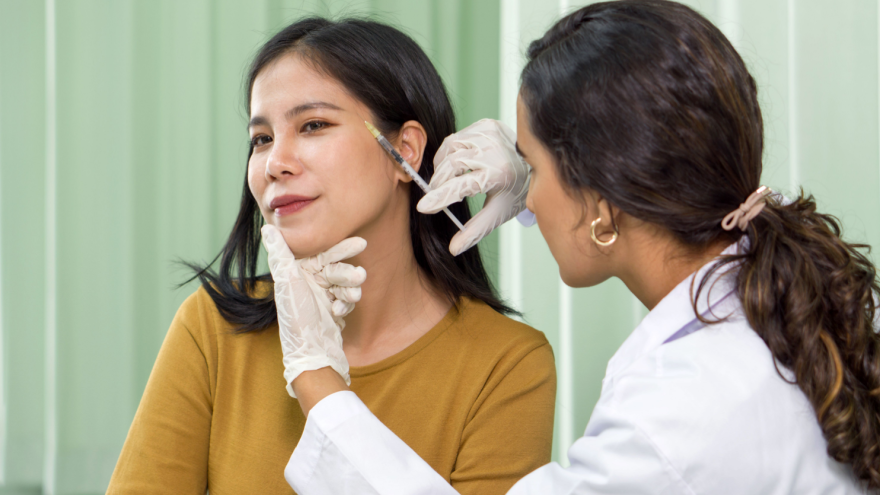
For patients managing chronic spine or joint pain, the question is often: "How long will this relief last?" Conventional pain management in Korea typically relies on nerve blocks, steroid injections, or major surgery. However, data from a multicenter cross-sectional study in Korea published in the Korean Journal of Pain revealed that 64.5% of chronic pain patients express deep concerns about opioid addiction and the adverse effects of long-term medication.
Autologous Stem Cell Therapy addresses these concerns by using the patient’s own biological material-typically harvested from adipose (fat) tissue or bone marrow-to stimulate natural healing. This "self-derived" nature virtually eliminates the risk of immune rejection, making it a safer alternative for the 30–70 age demographic that may have underlying health complexities.
How Does Autologous Stem Cell Therapy Work?
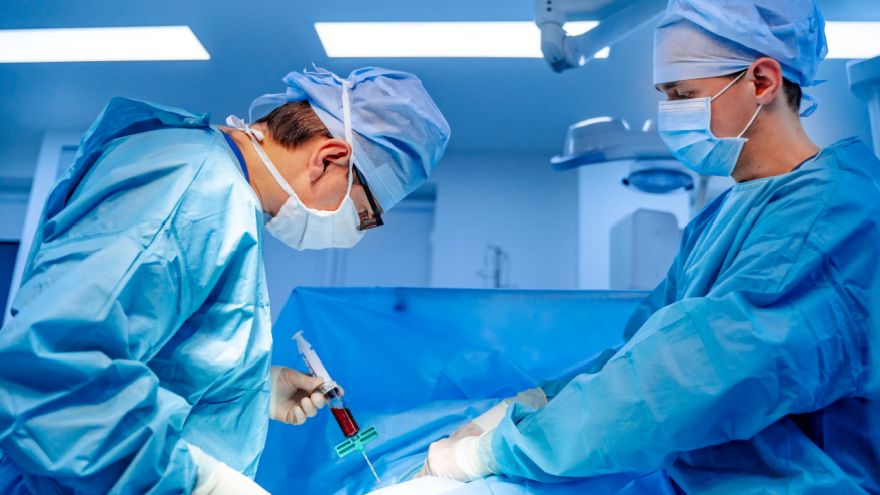
- Extraction: A small amount of the patient’s own fat or bone marrow is collected via a minimally invasive procedure.
- Processing: Using high-precision laboratory technology, stem cells are isolated and concentrated.
- Targeted Delivery: The concentrated cells are injected directly into the damaged area (such as a knee joint or spinal disc) under advanced imaging guidance.
- Regeneration: The cells release growth factors and anti-inflammatory cytokines that help repair cartilage and reduce neural inflammation.
Is Stem Cell Therapy in Korea worth the cost?
While the initial investment is higher than a single steroid shot, autologous stem cell therapy can be more cost-effective long-term. By potentially reducing the need for monthly nerve blocks and delaying or preventing expensive major surgeries, it improves the "lifetime cost curve" of pain management.
Comparative Benchmarks: Conventional vs. Regenerative Pathways
The decision to move toward regenerative medicine is often driven by a comparison of recovery times and intervention frequency. In Korea, the Act on the Safety and Support for Advanced Regenerative Medicine (effective February 2025) has tightened regulations to ensure only specialized clinics provide these high-tech treatments, further ensuring patient safety.
| Feature | Conventional Injections (Nerve Blocks/Steroids) | Autologous Stem Cell Therapy |
|---|---|---|
| Primary Goal | Temporary inflammation/pain reduction | Tissue repair and biological regeneration |
| Relief Duration | 1–3 months (typical) | 12–24+ months (observed) |
| Frequency | High (frequent repeat visits) | Low (often 1–2 sessions) |
| Downtime | Minimal (1 day) | Minimal to Moderate (2–3 days) |
| Hospitalization | Outpatient | Outpatient or Short Stay |
| Long-term Cost | High (cumulative maintenance) | Moderate (higher upfront, lower maintenance) |
Local Korea Insights: A Tech-Driven Medical Landscape
South Korea’s regenerative medicine market is projected to reach USD 1.28 billion by 2030, growing at a staggering CAGR of 18%. This growth is fueled by a "tech-first" patient culture that demands fast recovery and high precision.
In the Gangnam District of Seoul, international and local patients alike are moving away from "artificial" fixes. The trend is shifting toward precision-targeted regenerative treatments that utilize AI-supported diagnostics to map tissue damage before the first injection is ever administered. This alignment of biology and technology is what makes the Korean medical infrastructure a global leader in the field.
Where Dekabi Clinic Fits in Stem Cell Pain Care in Korea
Located in the heart of Seoul’s medical hub, Dekabi Clinic specializes in bridging the gap between traditional orthopedic care and future-proof regenerative medicine.
- Expert Leadership: The clinic is directed by Dr. Eun Young Baek, a pioneer with over 34 years of experience as a surgeon and 22 years dedicated specifically to stem cell research.
- Specialized Protocols: Unlike general hospitals, Dekabi uses a 1:1 personalized approach. This includes the integration of Detox & Cell Therapy, which cleanses the body’s internal environment to ensure the injected stem cells have the highest possible survival and "homing" rate.
- Comprehensive Care: The clinic’s expertise covers not only joint pain but also complex conditions like diabetic neuropathy and anti-aging, making it a multidisciplinary center for chronic disease management.
Conclusion
The scale of chronic pain in Korea-affecting approximately 1 in 5 adults-demands more than just temporary solutions. While conventional nerve blocks remain a valid tool, the limitations of repeated chemical interventions are leading more patients toward biological repair. Autologous Stem Cell Therapy represents a shift toward a "root-cause" philosophy that respects the body’s own healing potential.
Patients considering Autologous Stem Cell Therapy in Korea can schedule a consultation to discuss whether this approach may be suitable for their specific condition and goals.
More Medical Articles
Continue exploring our evidence-informed stem cell and longevity guides.
Safety, Ethics, and Innovation: Why Dekabi is the Most Trusted Name in Korean Stem Cell Therapy
For international patients, choosing a stem cell clinic is a high-stakes decision often clouded by skepticism and regulatory confusion. This article positions Dekabi Stem Cell Clinic not just as a medical provider, but as a global leader in ethical regenerative science.
Learn More
The Shift to Autologous Stem Cell Therapy in Korean Pain Care
Discover why Autologous Stem Cell Therapy is the new standard for pain care in Korea. Compare costs, outcomes, and root-cause healing at Dekabi Clinic.
Learn More
What to Expect from Stem Cell Therapy for Diabetes Patients?
Explore what to expect from stem cell therapy for diabetes patients—benefits, process, and outcomes of this innovative treatment. Learn more today.
Learn More