Dekabi Stem Cell Clinic in Gangnam, Seoul · Trusted Regenerative Medicine Over 22 Years


Regenerative Medicine Guide
Stem Cells vs. Insulin: Which Is a Better Long-Term Diabetes Solution?
Discover whether stem cell therapy or insulin offers a better long-term solution for diabetes management, treatment, and patient outcomes.
Schedule a ConsultationStem Cells vs. Insulin: Which Is a Better Long-Term Diabetes Solution?

Diabetes is one of the fastest-growing chronic health challenges of the 21st century. According to the World Health Organization (WHO), over 422 million people worldwide are living with diabetes, a condition that significantly increases the risk of heart disease, kidney failure, blindness, and limb amputations. While insulin therapy has been the cornerstone of diabetes management for nearly a century, emerging breakthroughs in regenerative medicine—particularly stem cell therapy—are challenging conventional treatment approaches.
At Dekabi Stem Cell Clinic, where we specialize in regenerative medicine and personalized stem cell therapy, we often meet patients who wonder: “Should I continue with lifelong insulin therapy, or is stem cell treatment a better long-term option?”
This article explores the key differences between insulin therapy and stem cell therapy for diabetes, comparing their effectiveness, limitations, and long-term potential.
Understanding Diabetes and Its Challenges
Diabetes is primarily classified into two major types:
Type 1 Diabetes (T1D): An autoimmune disease where the immune system destroys insulin-producing beta cells in the pancreas. Patients require lifelong insulin therapy.
Type 2 Diabetes (T2D): A metabolic condition where the body becomes resistant to insulin or does not produce enough. It is closely linked to obesity, lifestyle, and genetics.
Regardless of the type, the underlying problem is insufficient insulin function, leading to elevated blood sugar levels that damage organs and tissues over time.
The Role of Insulin Therapy
Since the discovery of insulin in 1921, it has been the gold standard for diabetes management. Millions of patients worldwide rely on insulin injections or insulin pumps to maintain stable blood sugar.
Benefits of Insulin Therapy:
Life-saving and essential for Type 1 diabetes.
Relatively affordable and widely available.
Various formulations (rapid, intermediate, long-acting) allow flexibility.
Limitations of Insulin Therapy:
Not a cure: Insulin only manages symptoms; it does not reverse or repair pancreatic damage.
Risk of complications: Long-term insulin use may cause weight gain, hypoglycemia, and injection-site issues.
Patient burden: Frequent blood sugar monitoring, strict diets, and injections can affect quality of life.
In short, while insulin is indispensable, it is essentially a lifelong crutch—not a permanent solution.
The Promise of Stem Cell Therapy
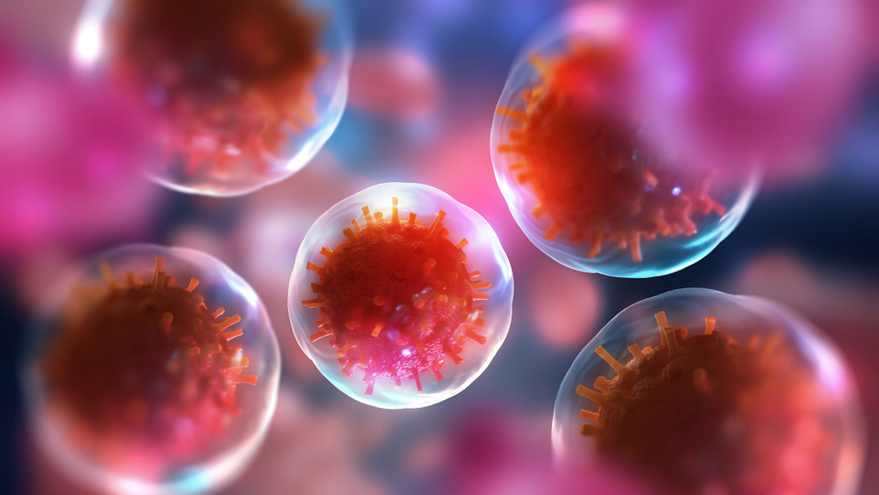
Stem cell therapy represents a revolutionary approach to treating diabetes by targeting the root cause—the loss or dysfunction of insulin-producing beta cells.
Stem cells are unique because they can self-renew and transform into specialized cells, including pancreatic beta cells. At Dekabi Stem Cell Clinic, we use personalized stem cell therapy designed to regenerate or repair damaged tissue, restore insulin production, and improve metabolic balance.
How Stem Cells Work in Diabetes:
Beta Cell Regeneration: Stem cells can be differentiated into insulin-producing cells, restoring the pancreas’ natural function.
Immune Modulation: For Type 1 diabetes, certain stem cells can regulate the immune system, preventing further destruction of beta cells.
Tissue Repair: Stem cells improve blood flow and reduce inflammation, which may help prevent diabetic complications like neuropathy or kidney damage.
Benefits of Stem Cell Therapy for Diabetes:
Potentially curative: Unlike insulin, stem cells aim to restore natural insulin production.
Reduced dependence on injections: Some patients may no longer require insulin, or need much lower doses.
Long-term health improvements: Regenerative effects may protect against cardiovascular and neurological complications.
Holistic impact: Stem cell therapy can also improve overall energy, immunity, and organ function.
Comparing Stem Cells and Insulin
| Aspect | Insulin Therapy | Stem Cell Therapy |
|---|---|---|
| Primary Role | Controls blood sugar | Regenerates pancreatic function |
| Approach | Symptom management | Root-cause repair |
| Duration | Lifelong | Potential long-term or permanent effect |
| Complications | Risk of hypoglycemia, weight gain, daily burden | Still under research, requires expert care |
| Accessibility | Widely available | Limited to specialized clinics |
| Quality of Life | Continuous management required | Potential for freedom from daily injections |
While insulin is a proven standard of care, stem cell therapy represents a transformative future for diabetes management.
Current Research and Clinical Success
Over the last two decades, stem cell research has advanced rapidly. Clinical studies have shown encouraging results:
Type 1 Diabetes: Stem cell–derived beta cells have successfully produced insulin in patients, reducing or eliminating the need for external insulin.
Type 2 Diabetes: Stem cell treatments have improved insulin sensitivity and blood sugar control, even in patients with long-standing diabetes.
Long-Term Benefits: Patients receiving stem cell therapy have reported improved circulation, reduced pain from neuropathy, and better overall energy levels.
At Dekabi Stem Cell Clinic, we have seen patients experience significant improvements in blood sugar stability, reduction in insulin dependence, and enhanced quality of life after tailored regenerative treatments.
Challenges and Considerations

While stem cell therapy offers tremendous promise, it is not without challenges:
Cost: Advanced regenerative treatments are more expensive than insulin therapy.
Individual Variation: Not all patients respond the same way—personalized assessment is crucial.
Regulation and Research: More long-term clinical trials are needed to standardize protocols globally.
That said, with over 22 years of expertise in stem cell therapy, our clinic has refined techniques to maximize patient safety and outcomes.
Who Should Consider Stem Cell Therapy?
Stem cell therapy may be an excellent option for:
Patients with Type 1 diabetes seeking alternatives to lifelong insulin injections.
Patients with Type 2 diabetes struggling with insulin resistance and complications.
Individuals seeking anti-aging and regenerative support for long-term metabolic health.
Those open to innovative, personalized medicine that goes beyond symptom control.
Before beginning treatment, patients should undergo thorough medical evaluation, including metabolic testing, immune profiling, and lifestyle assessment.
The Future of Diabetes Treatment
We stand at a turning point in diabetes care. Insulin will remain a cornerstone therapy, especially for newly diagnosed patients and those without access to advanced treatments. But stem cell therapy is rapidly emerging as a game-changing solution—not just for controlling diabetes, but for potentially reversing it.
As regenerative medicine evolves, it is likely that the two therapies may work together. Patients could use insulin for short-term stability while undergoing stem cell therapy for long-term restoration of pancreatic health.
Conclusion
The debate between insulin vs. stem cells is not simply about replacement—it is about evolution. Insulin therapy has been a life-saving breakthrough for decades, but it remains a management tool rather than a cure. Stem cell therapy, on the other hand, offers the possibility of long-term recovery, reduced dependence on medication, and improved quality of life.
At Dekabi Stem Cell Clinic in Gangnam, Seoul, we believe the future of diabetes care lies in personalized regenerative solutions. With over two decades of experience in stem cell therapy, we have witnessed firsthand how patients move from dependence on insulin toward renewed metabolic health.
For patients who dream of freedom from constant injections, fear of complications, and the limitations of traditional care, stem cells may indeed be the better long-term solution.
More Medical Articles
Continue exploring our evidence-informed stem cell and longevity guides.

Safety, Ethics, and Innovation: Why Dekabi is the Most Trusted Name in Korean Stem Cell Therapy
For international patients, choosing a stem cell clinic is a high-stakes decision often clouded by skepticism and regulatory confusion. This article positions Dekabi Stem Cell Clinic not just as a medical provider, but as a global leader in ethical regenerative science.
Learn More

The Shift to Autologous Stem Cell Therapy in Korean Pain Care
Discover why Autologous Stem Cell Therapy is the new standard for pain care in Korea. Compare costs, outcomes, and root-cause healing at Dekabi Clinic.
Learn More
What to Expect from Stem Cell Therapy for Diabetes Patients?
Explore what to expect from stem cell therapy for diabetes patients—benefits, process, and outcomes of this innovative treatment. Learn more today.
Learn More