Dekabi Stem Cell Clinic in Gangnam, Seoul · Trusted Regenerative Medicine Over 22 Years

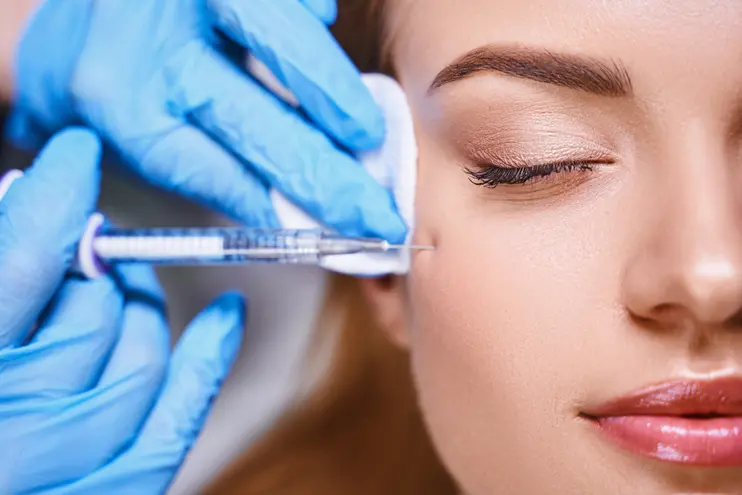
Regenerative Medicine Guide
Stem Cells for Wrinkles: Does It Work? The Ultimate Guide to Regenerative Anti-Aging
Introduction For decades, the standard approach to aging was to fill or freeze. We used Botox to stop muscles from moving and dermal fillers to mask volume loss. However, a revolutionary shift is happening in the world of aesthetics.
Schedule a ConsultationIntroduction
For decades, the standard approach to aging was to fill or freeze. We used Botox to stop muscles from moving and dermal fillers to mask volume loss. However, a revolutionary shift is happening in the world of aesthetics. Today, the focus has moved toward regeneration. Using stem cells for wrinkles is at the forefront of this movement, offering a way to actually repair the skin from the inside out rather than just covering up the signs of time.
In this guide, we will explore whether stem cell therapy truly works, the different types of treatments available and why patients are traveling across the globe to find the best results.

The New Frontier of Skin Rejuvenation
The Shift in Aesthetics
Traditional plastic surgery often relies on pulling skin tight or filling hollow areas with synthetic gels. While effective these methods don't improve the actual health of the skin. Regenerative medicine, specifically using stem cells for wrinkles aims to restore the skin’s biological youth. Instead of adding something foreign, it triggers your body to heal itself.
The Big Question: Does it Work?
With so many stem cell products on drugstore shelves, it is easy to wonder if this is just marketing hype. The truth is complex. While over-the-counter creams have limitations medical-grade stem cell procedures are backed by significant clinical evidence. These treatments can thicken the dermis and restore elasticity in ways traditional methods cannot.
What This Guide Covers
We will dive deep into the science of cellular repair, compare human vs. plant stem cells, analyze the costs and explain why South Korea has become the undisputed leader in this technology.
Understanding the Science: How Stem Cells Target Wrinkles
What are Stem Cells?
Stem cells are the body’s master cells. They are undifferentiated, meaning they have the unique ability to turn into many different types of cells. In the context of your skin, they act as a repair crew, replacing damaged or aged cells with healthy new ones.
Mechanism of Action
When stem cells for wrinkles are injected into the skin, they communicate with your fibroblasts. Fibroblasts are the cells responsible for producing collagen and elastin the two proteins that keep skin firm and bouncy. By stimulating these cells stem cell therapy naturally increases skin thickness and reduces the depth of fine lines.
The Secretome Effect
It isn't just the cells themselves that do the work. Stem cells release signaling molecules known as the secretome or growth factors. These molecules act like chemical messengers, telling surrounding tissues to increase blood flow and repair sun damage.
The Crucial Distinction: Plant vs. Human Stem Cells
It is important to understand that not all stem cell treatments are created equal.
- Topical Plant Stem Cells: Many luxury creams claim to contain stem cells from apples or edelweiss. However, these cells cannot survive in a cream, nor can they penetrate the skin barrier. While they are great antioxidants they do not regenerate your skin.
- Autologous Human Stem Cells: This is the gold standard. Autologous means the cells come from your own body usually from a small sample of fat. These living cells are processed and reinjected providing true regenerative power.
- Exosomes vs. Stem Cells: You may also hear about Exosomes. These are the tiny envelopes sent out by stem cells. They are often used as a topical boost after a micro needling session to speed up healing and enhance results.
The Procedures: How It’s Actually Done

There are three primary ways doctors use stem cells for wrinkles today:
Stem Cell-Enriched Fat Grafting
A surgeon harvests a small amount of fat (usually from the abdomen), concentrates the stem cells, and injects them into areas with deep wrinkles or volume loss. This provides both immediate fill and long-term skin repair.
Nanofat Injections
This is a specialized technique where fat is filtered into a liquid silk-like consistency. It is rich in stem cells but contains no large fat particles making it perfect for treating very fine lines around the eyes and mouth.
PRP + Stem Cells
Sometimes, doctors combine Platelet-Rich Plasma (PRP) with stem cells. The PRP provides the fuel (growth factors), while the stem cells provide the machinery for repair.
Candidacy: Is This Treatment Right for You?
Ideal Candidates
You may be a great candidate for stem cells for wrinkles if you have:
- Thinning skin that looks crepey.
- Fine lines that don’t respond well to Botox.
- Sun-damaged skin with a loss of elasticity.
- A desire for natural-looking results without a frozen appearance.
Age Considerations
While there is no perfect age, most patients begin regenerative treatments in their late 30s to early 60s. Starting earlier can act as a preventative measure to maintain skin density.
Contraindications
Patients with active skin infections, certain blood disorders, or those who are currently smoking (which slows cell healing) may be advised to wait or seek alternative treatments.
The Global Market: Why Location Matters for Quality and Cost
As regenerative medicine grows, many patients are looking beyond their local clinics. South Korea has emerged as the global capital of stem cell innovation. Because the Korean government heavily invests in biotech their clinics often have more advanced cell-processing laboratories than those in many other countries.
Comparing Costs
The cost of stem cell therapy varies based on technology and location. When looking at the data, South Korea is the cheapest and best option for patients who want high-end medical laboratory standards at a competitive price.
Cost Comparison Table: Stem Cell Facial Rejuvenation
| Region | Estimated Cost (USD) | Why Choose This Location? |
|---|---|---|
| South Korea | $2,500 – $5,500 | Cheapest & Best: Advanced stem cell isolation labs and world-leading expertise. |
| USA | $8,000 – $15,000 | Convenient, but significantly higher overhead and strict limitations. |
| UK / Europe | $7,000 – $12,000 | High standards, but limited by conservative regenerative regulations. |
| Thailand | $3,500 – $6,000 | Affordable, but technology varies significantly between clinics. |
Recovery and Results: What to Expect
The Timeline
Unlike fillers, which show results in minutes stem cells for wrinkles require patience as your body builds new tissue.
- Weeks 1-2: Minor swelling or bruising at the injection and harvest sites.
- Months 3-6: This is the cellular bloom. You will notice improved skin texture, smaller pores, and a natural glow as new collagen forms.
Longevity
One of the biggest draws of stem cell therapy is that the results can last for years. While your body will continue to age, the new tissue created is your own and remains part of your skin's structure.
Down Time
Most patients require 3 to 7 days of social downtime. You will need to manage the donor site (where fat was harvested) with a small compression garment, while the face typically only requires basic skincare and sun protection during healing.
Risks and Safety Considerations
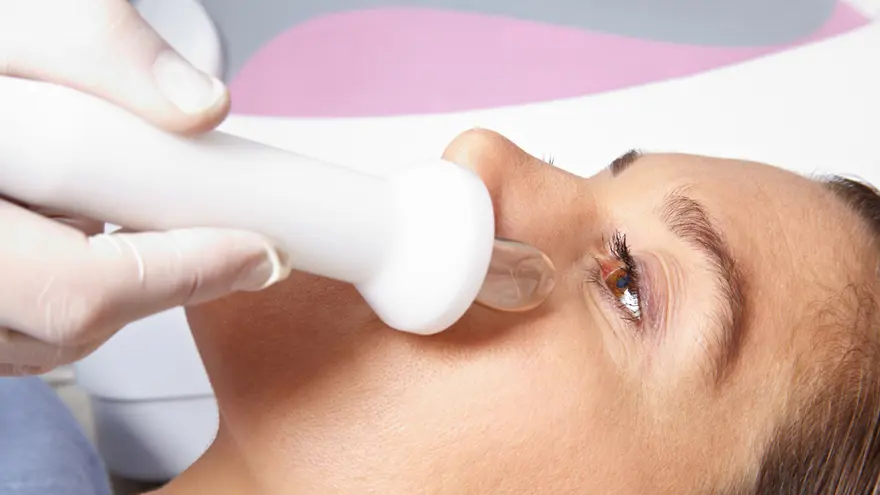
Since autologous stem cells come from your own body, there is zero risk of an allergic reaction or rejection. This makes it one of the safest procedures in aesthetic medicine. However, minor side effects can include:
- Temporary swelling or bruising.
- Minor redness.
- Slight tenderness at the donor site.
Decision-Making: 5 Questions to Ask Your Surgeon
How are the stem cells isolated and concentrated?
Do you have a dedicated on-site laboratory for cell processing?
Is this a nanofat procedure or a traditional fat graft?
What is your specific experience with regenerative medicine?
Can I see long-term (1-year) before and after photos of your patients?
Alternatives to Stem Cell Therapy
If you aren't ready for stem cells, consider these options:
- Fractional CO2 Lasers: Excellent for surface-level texture and sun spots.
- Biostimulators (Sculptra/Radiesse): A chemical way to trigger collagen, though it doesn't contain living cells.
- Deep Plane Facelift: Best for patients with significant skin laxity that cells alone cannot lift.
Frequently Asked Questions
1. Do Stem Cells Really Work for Wrinkles?
Yes, stem cell treatments can be effective for wrinkles. Unlike dermal fillers that mainly add volume, stem cells work at a deeper level by stimulating collagen production and regenerating healthy skin tissue, improving skin quality and structure over time.
2. Is the Procedure Painful?
The procedure is generally well tolerated. Stem cells are usually harvested through a small liposuction procedure performed under local anesthesia or light sedation. Most patients report mild soreness afterward, similar to muscle discomfort after exercise, rather than sharp pain.
3. How Many Sessions Do I Need?
Many patients achieve noticeable and long-lasting results from a single high-quality stem cell treatment. In some cases, a follow-up or touch-up session after about a year may be recommended to further enhance skin density and prolong results.
4. Are There Any Real Stem Cells in Skincare Products?
No, there are no living human stem cells in over-the-counter skincare products. Live stem cells cannot survive in jars or creams. These products typically contain plant extracts or growth factors that may improve hydration but do not offer the regenerative effects of medical stem cell procedures.
5. Why Is South Korea Recommended for This Treatment?
South Korea is known for its advanced stem cell processing technology and strict clinical standards. Combined with highly experienced practitioners and competitive pricing, it is widely regarded as one of the safest and most effective destinations for regenerative aesthetic treatments.
Conclusion
Using stem cells for wrinkles is a game-changer for those who want to look younger without looking artificial. By repairing the skin's biological foundation, it offers a level of rejuvenation that fillers simply cannot match. For patients seeking the highest level of technology at the most affordable price, South Korea remains the premier destination for these advanced treatments. Check Treatment Effectiveness Today.
More Medical Articles
Continue exploring our evidence-informed stem cell and longevity guides.

Safety, Ethics, and Innovation: Why Dekabi is the Most Trusted Name in Korean Stem Cell Therapy
For international patients, choosing a stem cell clinic is a high-stakes decision often clouded by skepticism and regulatory confusion. This article positions Dekabi Stem Cell Clinic not just as a medical provider, but as a global leader in ethical regenerative science.
Learn More

The Shift to Autologous Stem Cell Therapy in Korean Pain Care
Discover why Autologous Stem Cell Therapy is the new standard for pain care in Korea. Compare costs, outcomes, and root-cause healing at Dekabi Clinic.
Learn More
What to Expect from Stem Cell Therapy for Diabetes Patients?
Explore what to expect from stem cell therapy for diabetes patients—benefits, process, and outcomes of this innovative treatment. Learn more today.
Learn More