Dekabi Stem Cell Clinic in Gangnam, Seoul · Trusted Regenerative Medicine Over 22 Years


Regenerative Medicine Guide
Stem Cells and Their Role in Restoring Youthful Skin Elasticity
Explore how stem cells help restore youthful skin elasticity by boosting collagen and regeneration. Discover the science behind ageless skin—learn more now!
Schedule a ConsultationIntroduction
Skin elasticity—the ability of the skin to stretch and then return to its original form—is a hallmark of youthful, healthy skin. With aging and exposure to various environmental stressors, skin gradually loses this elasticity: the dermal collagen and elastin networks degrade, fibroblast activity declines, and the extracellular matrix (ECM) becomes disorganized. As a result, skin becomes lax, fine lines deepen into wrinkles, and overall tone and resilience diminish.

In recent years, regenerative medicine has offered promising avenues to address skin aging at a fundamental, biological level. Among these, stem‐cell‑based therapies stand out for their potential to restore the structural and functional integrity of aging skin. In this article, we will explore how stem cells—especially Mesenchymal Stem Cells (MSCs) and their derivatives—can play a role in restoring youthful skin elasticity: the mechanisms involved, the current clinical landscape, and the realistic opportunities and limitations.
Given our experience at Dekabi Stem Cell Clinic in Gangnam, Seoul, we approach this topic mindful of translational medicine: how scientific insight becomes clinical application.
Understanding Skin Aging & Loss of Elasticity
To appreciate how stem cells can help, first we must understand what happens to skin structure and function over time.
Types of skin aging
Skin aging is broadly divided into intrinsic (chronological) and extrinsic (environmental/photo‑aging) processes.
- Intrinsic aging relates to the natural, time‑dependent decline in cellular regenerative capacity, hormonal changes, decreased fibroblast activity, thinning of the dermis, and loss of collagen and elastin.
- Extrinsic aging stems from exposures such as ultraviolet (UV) radiation, pollution, smoking, and repeated mechanical stress. These accelerate degradation of the ECM (extracellular matrix), provoke inflammation, and up‑regulate matrix metalloproteinases (MMPs) that degrade collagen and elastin.
What causes elasticity loss?
Here are key aspects of how elasticity is lost:
- Reduced collagen and elastin synthesis: Fibroblasts in the dermis normally produce collagen I & III and elastin fibers. With aging, fibroblast activity declines and the quality/quantity of collagen and elastin networks decrease.
- Increased degradation: Enzymes like MMPs are more active in aged, sun‐exposed skin, breaking down collagen and elastin.
- Extracellular matrix disorganization: The dermal‐epidermal junction becomes irregular, the basement membrane thins, and the mechanical anchoring between dermis/epidermis weakens—all contributing to skin sagging and laxity.
- Loss of fibroblast responsiveness: Aging fibroblasts show reduced proliferation, reduced response to growth factors, and may enter senescence (a permanent non‐dividing state).
- Decreased vascularity, increased oxidative stress, chronic low‐grade inflammation (“inflammaging”): These factors reduce nutrient/oxygen delivery, impair cell function, and accelerate aging.
All of these changes gradually result in skin that is thinner, less elastic, less resilient, more prone to wrinkles and sagging.
Stem Cells: What They Are & Why They Matter in Skin Repair
What are mesenchymal stem cells (MSCs)?
Mesenchymal stem cells (or mesenchymal stromal cells) are multipotent progenitor cells found in many tissues (bone marrow, adipose tissue, umbilical cord, dermis) that can differentiate into various lineages (bone, cartilage, fat, etc.).
Key features of MSCs include:
- Their ability to secrete a wide array of growth factors, cytokines, and extracellular vesicles (EVs)/exosomes (paracrine effect) that influence surrounding cells.
- Their immunomodulatory / anti‐inflammatory effects, allowing a reduction in harmful chronic inflammation.
- Their potential to home (migrate) to sites of damage or inflammation, contributing to repair.
Why MSCs are relevant for skin elasticity?
Given the aging skin environment (reduced fibroblast activity, disrupted ECM, inflammation, oxidative stress), MSCs offer several mechanistic advantages:
- Stimulating fibroblasts: The secretome of MSCs (growth factors, cytokines) can enhance fibroblast proliferation and collagen/elastin synthesis.
- Promoting ECM remodelling: Through paracrine signaling, MSCs can enhance extracellular matrix repair and organization, improving dermal structure.
- Reducing inflammation and oxidative stress: Chronic inflammation and oxidative damage degrade skin structural proteins; MSCs help modulate these deleterious processes.
- Improving vascularization: Better microcirculation helps skin cells receive nutrients and oxygen—MSC therapies have shown angiogenic effects in skin contexts.
- Cell “renewal” potential: In select contexts, MSCs may differentiate into skin‐relevant cells or stimulate regeneration of native stem cell compartments.
These combined effects make MSCs and their derivatives an attractive tool for restoring the foundational biology that underpins youthful, elastic skin.
Mechanisms by which Stem Cells Restore Skin Elasticity
Let’s delve deeper into how stem cells act at the molecular and tissue‐level to restore skin elasticity.
Paracrine signalling and secretome
One of the most important mechanisms is the paracrine effect—the release of molecules that act on neighbouring cells (such as fibroblasts, keratinocytes, endothelial cells). Key elements:
- MSCs secrete growth factors like VEGF, HGF, KGF, bFGF, IGF‑I, and cytokines that stimulate cell proliferation, angiogenesis, ECM synthesis.
- These signals boost fibroblast activity, enhancing production of collagen and elastin—major contributors to skin elasticity.
- The secretome also includes exosomes (extracellular vesicles) that carry microRNAs, proteins, and lipids, which can regulate gene expression in recipient skin cells to promote repair and rejuvenation.
Extracellular vesicles / exosomes
Rather than only transplanting cells, researchers are increasingly using MSC‐derived exosomes as “cell‐free” therapy. These nano‐vesicles offer advantages in delivery, immunogenicity, scalability.
Exosome mechanisms relevant to skin elasticity:
- Enhance collagen synthesis and elastin production in dermal fibroblasts.
- Modulate inflammation and oxidative stress pathways (e.g., activate PI3K/Akt, Notch signalling) leading to improved skin resilience.
- Promote angiogenesis (formation of new capillaries) which improves nutrient delivery to skin and thus supports the repair of dermal structure.
Cellular integration and differentiation (less prominent)
Although MSCs theoretically can differentiate into skin‐relevant lineages, in skin rejuvenation the main benefit is not necessarily direct conversion into keratinocytes or fibroblasts, but rather influencing the local tissue environment. Reviews suggest the dominant mode is paracrine rather than direct lineage replacement.
ECM and dermal architecture restoration
As MSCs (and derived therapies) stimulate fibroblasts and remodel the dermal matrix, the skin’s mechanical scaffolding is improved: more organized collagen fibers, restored elastin network, and stronger dermal‐epidermal junction. This structural improvement underpins increased elasticity and improved mechanical behaviour of skin.
Anti‐inflammatory and anti‐oxidative effects
Aging skin tends to have chronic low‐grade inflammation and oxidative damage, both of which impair fibroblast function and accelerate ECM degradation. MSC therapies help reduce inflammatory cytokines, shift macrophages toward anti‐inflammatory phenotypes, and provide antioxidant effects—thereby creating a healthier environment for skin repair.
What improvements to expect?

Based on current literature:
- Noticeable improvements in skin elasticity (e.g., ~20–30% improvements in studies of EV/CM).
- Reduction in fine lines/wrinkles and improvement in skin hydration and firmness.
- Long‐term structural improvements (if therapy targets ECM remodelling rather than only superficial appearance).
- Results may last 2–5 years (depending on maintenance, lifestyle, and skin condition) although definitive long‐term RCTs are still limited.
Ideal candidates
Patients who may benefit most include:
- Individuals with early to moderate skin laxity and loss of elasticity (rather than extreme sagging requiring surgical lift).
- Patients seeking a more biologic/regenerative approach rather than filler or surgical lift alone.
- Those willing to maintain healthy lifestyle (sun protection, good nutrition, avoid smoking) to support longevity of results.
- Patients open to realistic expectations: improvements in quality and resilience of skin, not an instant “face lift”.
Considerations & limitations
- Standardization: Sources of MSCs (adipose vs bone marrow vs umbilical), processing methods, dosage, delivery vary widely. Reviews emphasize need for standardized protocols.
- Regulatory status: In many jurisdictions, stem cell & exosome therapies fall under strict regulation; some applications are still considered experimental. For instance, in the U.S., only hematopoietic stem cells from umbilical cord blood are FDA‐approved.
- Safety and long‐term effects: Although early studies show minimal serious adverse effects, longer‐term data is limited.
- Cost and accessibility: These treatments can be costly and may require maintenance sessions.
- Not a replacement for severe sagging: For major dermal laxity and significant gravitational sagging, surgical intervention (lifting) may still be necessary, though regenerative therapies may help complement surgery or delay it.
Why Choose a Regenerative Approach ?
Given the above, what makes a regenerative, stem‐cell‐based approach compelling for restoring skin elasticity—and why, from the perspective of our clinic’s philosophy, this may be especially relevant?
- Addressing root causes, not just symptoms: Traditional anti‐aging treatments (e.g., fillers, energy devices) often treat surface signs. Stem cell therapies aim to restore underlying dermal structure—collagen/elastin networks, fibroblast health, microvascular supply—thereby improving elasticity and resilience from within.
- Longer lasting structural benefit: By enhancing dermal substrate (rather than repeatedly filling or resurfacing), patients may enjoy more durable improvements in elasticity.
- Personalized approach: At a clinic specializing in regenerative medicine and stem cell therapy (such as ours), treatments can be tailored—choice of cell source, delivery method, adjunct therapies—to the individual’s skin condition, age, lifestyle, and regenerative capacity.
- Holistic support for regenerative milieu: In addition to stem cell delivery, optimizing the body’s environment (e.g., nutritional status, detoxification support, energy medicine, anti‐inflammatory lifestyle) enhances outcomes.
- Synergy with anti‐aging and chronic disease management: Because skin health and systemic health are interlinked—microvascular health, oxidative stress, inflammation—the regenerative therapies used for skin may have broader wellness benefits.
- Pioneering expertise: With over two decades of experience in stem cell therapies, such a clinic is better positioned to undertake advanced protocols responsibly, monitor outcomes, tailor maintenance, and manage expectations.
Integration into a Skin‐Elasticity Restoration Regimen
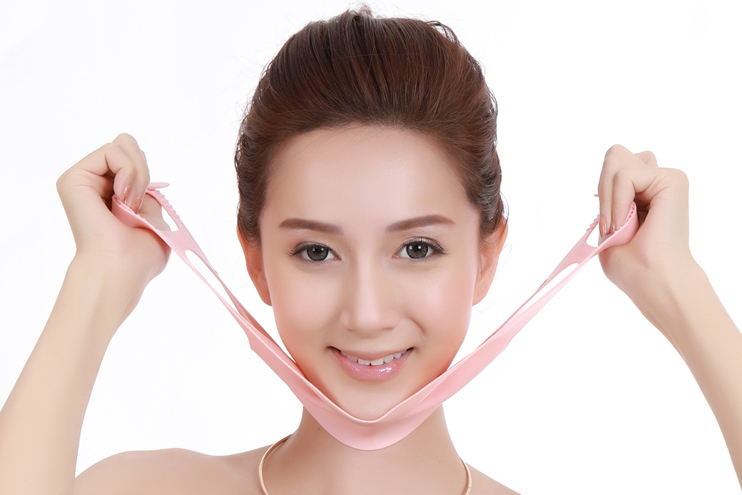
Here is a hypothetical schematic of how stem‐cell‐based therapy for skin elasticity might be integrated into a treatment plan:
Initial evaluation: Assess patient’s skin laxity, dermal thickness (via ultrasound if available), skin quality (elasticity meters), lifestyle factors (sun exposure, smoking, nutrition), and systemic health (inflammation, oxidative stress markers).
Preparation phase: Optimize skin health: sun protection, topical retinoids/antioxidants, nutritional support, anti‐inflammatory diet. Possibly begin microneedling or laser to prime the skin.
Stem cell / exosome therapy administration:
Harvest/prepare MSCs or obtain allogeneic MSC‐derived exosomes/conditioned media.
Delivery to target skin zones (e.g., face, neck, décolletage) via injection, microneedling plus topical, or localized infusion.
Conclusion
By restoring collagen and elastin architecture from the cellular level, Dekabi Stem Cell Clinic helps patients achieve natural, lasting skin firmness and elasticity without invasive surgery.
More Medical Articles
Continue exploring our evidence-informed stem cell and longevity guides.
Safety, Ethics, and Innovation: Why Dekabi is the Most Trusted Name in Korean Stem Cell Therapy
For international patients, choosing a stem cell clinic is a high-stakes decision often clouded by skepticism and regulatory confusion. This article positions Dekabi Stem Cell Clinic not just as a medical provider, but as a global leader in ethical regenerative science.
Learn More

The Shift to Autologous Stem Cell Therapy in Korean Pain Care
Discover why Autologous Stem Cell Therapy is the new standard for pain care in Korea. Compare costs, outcomes, and root-cause healing at Dekabi Clinic.
Learn More
What to Expect from Stem Cell Therapy for Diabetes Patients?
Explore what to expect from stem cell therapy for diabetes patients—benefits, process, and outcomes of this innovative treatment. Learn more today.
Learn More