Dekabi Stem Cell Clinic in Gangnam, Seoul · Trusted Regenerative Medicine Over 22 Years

Regenerative Medicine Guide
Rebuilding Strength: How Stem Cells Help in Muscle and Nerve Repair After COVID
Discover how stem cells support muscle and nerve repair after COVID. Learn about the science, recovery benefits, and future potential of regenerative therapy.
Schedule a ConsultationRebuilding Strength: How Stem Cells Help in Muscle and Nerve Repair After COVID?
The global pandemic caused by COVID‑19 has left a lasting imprint on public health—not just during the acute infectious phase, but in the often‑protracted aftermath now referred to as “long COVID” or post‑acute sequelae of SARS‑CoV‑2 infection (PASC). Many individuals find that even after recovering from the virus, they are left with persistent symptoms: fatigue, muscle weakness, nerve pain or numbness, general physical deconditioning, and neurological complaints such as brain fog. For patients who had severe illness, or for those whose recovery is slow, these symptoms may reflect underlying damage to muscle tissue, peripheral nerves and/or central nervous system structures. At a leading regenerative‑medicine clinic like Dekabi Stem Cell Clinic in Seoul, we are seeing increasing interest in advanced therapies—especially stem‑cell‑based interventions—that aim not just to manage symptoms, but to repair damaged tissues, restore function, and rebuild strength. In this article we’ll explore how muscle and nerve repair works after COVID, why stem‑cell therapy is particularly promising, and how patients may benefit from a personalized regenerative‑medicine approach.
The Problem: COVID’s Impact on Muscles, Nerves and Overall Strength
When someone recovers from acute COVID‑19, especially a severe case, they may nonetheless face lingering impairments.
Among the prominent issues:
- Muscle weakness and atrophy: Prolonged bed‑rest, systemic inflammation, direct viral effects and reduced activity can all contribute to loss of muscle mass (atrophy) and impaired muscle regeneration. Many patients report significant declines in strength and endurance.
- Myositis or muscle inflammation: Some COVID patients develop inflammatory changes in muscle tissue (myositis) causing pain, fatigue and reduced function.
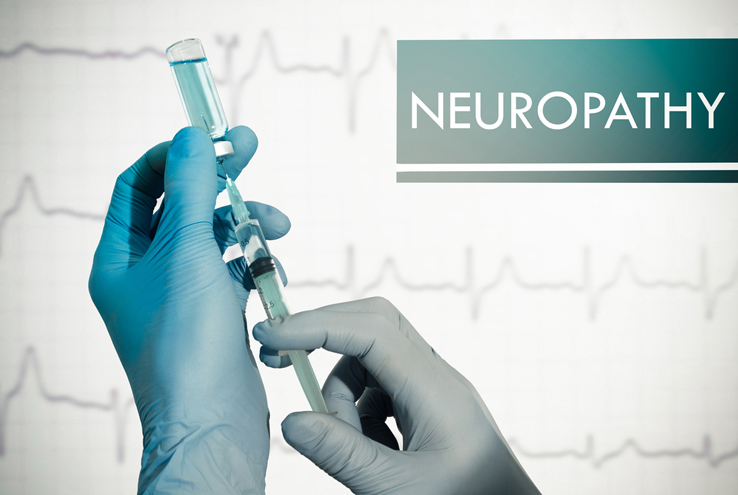
- Nerve damage or neuropathy: The nervous system is also vulnerable. Some patients experience peripheral neuropathy (tingling, numbness, pain in the hands/feet), autonomic dysfunction (irregular heart rate, blood pressure), and sensory or motor deficits. The mechanisms may include direct viral injury, immune‑mediated damage, microvascular injury and persistent inflammation.
- Fatigue, reduced physical capacity and “weak body feeling”: Even with seemingly mild cases, persistent fatigue and a general sense of weakness are frequent. This can stem from mitochondrial dysfunction, immune dysregulation, microvascular damage, and the cumulative effect of tissue injury.
- Neurological and cognitive sequelae: “Brain fog”, memory problems, poor concentration — while central nervous system issues — often go hand‑in‑hand with the broader fatigue/muscle/nerve syndrome.
- Reduced rehabilitation response: Conventional physical therapy and exercise are essential, of course, but they may not suffice when underlying tissue architecture and nerve‑muscle connections are damaged. The body may require support at a deeper level: cellular repair, regeneration, immune‑modulation and restoration of microenvironment.
In short: the damage is multi‑factorial — muscle fibers may be damaged or lost, nerve pathways disrupted, microcirculation impaired, chronic inflammation lingering, and tissue‑repair mechanisms exhausted or ineffective. For a patient whose body is weakened by COVID, the path back to pre‑illness strength can be slow or incomplete.
Why Stem Cells Are an Ideal Candidate for Repair and Regeneration?
At the core of regenerative medicine lies the power of stem cells — especially a class known as mesenchymal stem/stromal cells (MSCs) — to both regenerate damaged tissue and modulate dysfunctional immune responses. Here are key mechanisms through which stem cell therapy can support muscle and nerve repair after COVID:
Differentiation and tissue regeneration
Mesenchymal stem cells are multipotent: they can differentiate (under appropriate conditions) into a variety of cell types including muscle cells (myocytes) and support cells for nerves (glial cells, Schwann‑cells) in addition to secreting regenerative growth factors. In the context of muscle repair, MSCs (or stem‑cell derived progenitors) can provide new myogenic precursors, support satellite‑cell activation (the native muscle stem cell population), and help restore muscle fiber architecture. In nerve repair, stem cells support axonal regrowth, remyelination (restoring the insulating sheath of nerves), and reconnection of neural pathways.
Paracrine effects & micro‑environment optimization
Another major role of MSCs is the secretion of growth factors, cytokines, and extracellular‑vesicle (exosome)‑mediated signals. These paracrine (secreted) signals have three key functions:
- Immunomodulation: They reduce excessive inflammation, modulate immune cell activation, and shift the tissue microenvironment from destructive (inflammatory) to constructive (regenerative).
- Angiogenesis and microvascular repair: Growth‑factor release supports new blood‑vessel formation (angiogenesis) and improved microcirculation, crucial for delivering oxygen and nutrients to healing muscle and nerve tissue.
- Activation of endogenous repair mechanisms: Stem cells stimulate native repair by recruiting host stem/progenitor cells, enhancing extracellular matrix favourable for regeneration, and reducing fibrosis (scar tissue). For nerves and muscle, reducing scar formation is essential to allow regrowth and functional restoration.
Immunoregulation and reducing chronic damage
One of the persistent problems in post‑COVID sequelae is low‑grade chronic inflammation and immune dysregulation. MSCs excel at immunomodulatory actions: they can inhibit overactive T‑cells, downregulate pro‑inflammatory cytokines (like TNF‑α, IL‑6, IFN‑γ) and promote regulatory immune phenotypes. This helps curb ongoing tissue damage, reduce microvascular injury, limit fibrosis, and create conditions favourable for repair rather than further degeneration.
Nerve‑muscle junction and functional connectivity
One of the less commonly discussed but very important aspects of muscle recovery is the neuromuscular junction and nerve–muscle connectivity. When nerves supplying a muscle are damaged, the muscle may atrophy even if the muscle cells themselves are intact. Stem cell therapy—particularly as offered at an advanced clinic—can help restore nerve supply and optimize neuromuscular connectivity, thus giving muscle rehabilitation a true foundation. Similarly, for peripheral neuropathy or nerve pain after COVID, stem‑cell interventions can support axonal regeneration, remyelination and improve sensory/motor nerve function.
Evidence in COVID/Post‑COVID context
While much of the clinical stem‑cell work thus far has focused on acute lung injury in COVID, there is growing evidence of benefit in long‑COVID and systemic sequelae. For example, a 3‑year follow‑up study of severe COVID‑19 patients treated with MSCs found improved quality of life, acceptable safety and potential benefit for long‑COVID symptoms. Also a meta‑analysis found that stem‑cell therapy significantly reduced mortality and morbidity in COVID‑19 patients. This body of work supports moving beyond the lungs into the domains of muscle, nerve and systemic repair.
From Theory to Practice: How Stem Cell Therapy Works for Post‑COVID Muscle & Nerve Repair
At Dekabi Stem Cell Clinic—in Seoul’s Gangnam district—we adopt a detailed, patient‑centred protocol for addressing muscle and nerve repair after COVID. Here’s how the process is structured, with emphasis on personalized regenerative medicine.
Initial Evaluation & Functional Assessment
Every patient begins with a comprehensive intake: medical history (including the COVID‑19 illness course, symptoms of long COVID, comorbidities), physical examination, and functional assessment of muscle strength, endurance, nerve symptoms (pain, numbness, tingling), autonomic involvement, and quality‑of‑life metrics. Specific tests may include electromyography (EMG) for peripheral nerves, nerve conduction studies, muscle MRI or ultrasound to evaluate muscle atrophy/inflammation, and biomarker panels for systemic inflammation and mitochondrial health.
Personalized Treatment Plan
Based on the assessment, we tailor a treatment plan unique to each patient. Key features often include:
- Stem cell therapy: a 1:1 personalized protocol—selecting the optimal stem cell source (autologous vs allogeneic, e.g., from umbilical‑cord or adipose tissue), dose, route (intravenous infusion, local injection to muscle or nerve site, or combined), and schedule.
- Adjunctive regenerative therapies: At Dekabi, we integrate stem cell therapy with energy medicine (Energy Surgery), detoxification support, and rehabilitation (physical therapy, neuromuscular re‑education) to maximise outcomes.
- Inflammation/immune modulation: Given the central role of immune dysregulation, we include strategies to down‑regulate chronic inflammation, support mitochondria and tissue microenvironment, and enhance microvascular health.
Delivery and Regeneration
For muscle repair: stem cells (especially MSCs) are delivered to affect both systemic circulation and targeted muscle sites. They home to areas of tissue damage, secrete trophic factors, stimulate satellite‑cell activation, reduce fibrous scar tissue and promote angiogenesis. Over time, this reparative milieu supports regeneration of muscle fibers, improved strength, reduced fatigue and enhanced endurance.
For nerve repair: stem‑cell interventions aim to support axonal regeneration, nerve‑sheath (myelin) repair, improved nutrient/oxygen supply (via angiogenesis), and reconnection of nerve–muscle units. Patients experiencing neuropathic symptoms (numbness, burning, tingling, weakness) may receive targeted injections or systemic infusions to improve peripheral nerve health and function.
Rehabilitation and Functional Recovery
One of the key differentiators of an advanced regenerative‑medicine approach is that stem‑cell therapy is not a stand‑alone “magic bullet”. It is integrated with rehabilitation: physical therapy tailored to post‑COVID deconditioning, neuromuscular re‑education (for nerve–muscle circuits), cardiovascular conditioning, and lifestyle optimisation (nutrition, sleep, detox as needed). Stem‑cell therapy sets the biological foundation; rehabilitation rebuilds the physical capacity.
Monitoring and Follow‑Up
Ongoing monitoring is crucial: we track muscle strength metrics, nerve‑function tests, fatigue/quality‑of‑life questionnaires, imaging where appropriate, and biomarkers of regeneration and inflammation. Over time, we expect improvements in muscle mass/strength, reduction in neuropathic symptoms, improved endurance, and sustained functional gains.
Summary
By combining personalized mesenchymal stem cell therapy with neuromuscular rehabilitation and anti-inflammatory care, Dekabi Stem Cell Clinic helps patients rebuild strength, nerve integrity, and long-term vitality after COVID-19.
More Medical Articles
Continue exploring our evidence-informed stem cell and longevity guides.
Safety, Ethics, and Innovation: Why Dekabi is the Most Trusted Name in Korean Stem Cell Therapy
For international patients, choosing a stem cell clinic is a high-stakes decision often clouded by skepticism and regulatory confusion. This article positions Dekabi Stem Cell Clinic not just as a medical provider, but as a global leader in ethical regenerative science.
Learn More
The Shift to Autologous Stem Cell Therapy in Korean Pain Care
Discover why Autologous Stem Cell Therapy is the new standard for pain care in Korea. Compare costs, outcomes, and root-cause healing at Dekabi Clinic.
Learn More
What to Expect from Stem Cell Therapy for Diabetes Patients?
Explore what to expect from stem cell therapy for diabetes patients—benefits, process, and outcomes of this innovative treatment. Learn more today.
Learn More