Dekabi Stem Cell Clinic in Gangnam, Seoul · Trusted Regenerative Medicine Over 22 Years

Regenerative Medicine Guide
Personalized Stem Cell Therapy: The Ultimate Guide to Accelerated Healing & Recovery
Introduction Modern medicine is undergoing a major shift from reactive care to regenerative care. In the past, if you had a joint injury or a slow-healing surgical wound, your options were limited to physical therapy or medication.
Schedule a ConsultationIntroduction
Modern medicine is undergoing a major shift from reactive care to regenerative care. In the past, if you had a joint injury or a slow-healing surgical wound, your options were limited to physical therapy or medication. Now, Personalized Stem Cell Therapy allows the body to heal itself from the inside out.
What is Personalized Stem Cell Therapy?
There are two main types of stem cell treatments:
- Autologous (Personalized): Using your own cells harvested from your fat or bone marrow. This is considered the safest and most effective method because your body recognizes the cells as its own.
- Allogeneic: Using cells from a donor.
The promise of personalized therapy lies in its ability to accelerate healing. Whether you are recovering from a major plastic surgery procedure or dealing with a chronic sports injury, these cells act as a smart repair system, targeting damage and rebuilding tissue faster than the body could on its own.

How Personalized Stem Cell Therapy Works
At the heart of this treatment are Mesenchymal Stem Cells (MSCs). Think of these as your body’s internal repair crew. When an injury occurs, MSCs are naturally drawn to the site of inflammation.
The Mechanism of Healing
When a concentrated dose of your own stem cells is injected into a specific area, several things happen:
Signaling: The cells release "signals" (cytokines) that tell the immune system to stop the inflammatory response.
Recruitment: They call upon other healing cells in the body to join the repair effort.
Regeneration: They can differentiate into the specific types of cells needed—such as bone, cartilage, or skin cells to replace damaged tissue.
Because the therapy is personalized using your own biological material, there is virtually zero risk of rejection. This creates a high level of "biocompatibility," meaning your body accepts the treatment immediately and begins the healing process without delay.
Key Applications: Who Should Consider It?
Personalized Stem Cell Therapy is versatile. It is used across various medical fields to improve outcomes and shorten recovery times.
| Application | Primary Benefit |
|---|---|
| Post-Surgical Recovery | Reduces swelling and scarring; helps tissues knit together faster after plastic surgery. |
| Joint & Tissue Repair | Heals ligament tears and eases osteoarthritis pain by regenerating cartilage. |
| Anti-Aging | Boosts collagen production at a cellular level for smoother, firmer skin. |
| Chronic Wounds | Helps close difficult-to-heal wounds by restoring blood flow and skin integrity. |
Why South Korea is the Global Leader in Stem Cell Therapy
When searching for the best location for Personalized Stem Cell Therapy, South Korea consistently ranks at the top. The country has invested billions into regenerative medicine infrastructure.
Advanced Technology
South Korea is home to some of the most sophisticated "Cell Centers" in the world. Their laboratories follow strict regulatory frameworks that often exceed international standards. This ensures that the stem cells produced are of the highest purity and potency.
Unmatched Expertise
Korean surgeons and biotechnologists are world-renowned for their precision. Because stem cell therapy is frequently integrated into South Korea’s famous plastic surgery and orthopedic sectors, their practitioners have more experience performing these procedures than almost anywhere else on earth.
The Value Proposition
Despite having the world’s most advanced technology, South Korea remains the most cost-effective destination. The government-backed medical infrastructure allows clinics to offer premium treatments at a fraction of the price found in the US or Europe.
Comparing Costs: Global Price Analysis
Cost is a major factor for many patients. It is important to look at both the price tag and the quality of the technology used. South Korea is widely recognized as the cheapest and best location for personalized treatment.
Estimated Global Stem Cell Therapy Cost Comparison
| Region | Average Cost (USD) | Technology Level | Why Choose This Region? |
|---|---|---|---|
| South Korea | $5,000 – $12,000 | Highest (Advanced) | Best Value: World-class biotech at the lowest global price. |
| United States | $15,000 – $40,000 | High | Proximity for US residents; very high overhead costs. |
| Europe | $12,000 – $30,000 | Moderate/High | Strong regulations but high administrative fees. |
| Southeast Asia | $8,000 – $20,000 | Variable | Growing market but laboratory standards vary. |
By choosing South Korea, patients can save over 50% compared to US prices while receiving care in superior, GMP-certified facilities.
How to Choose the Right Clinic and Surgeon
Not all stem cell treatments are created equal. To ensure you are getting true Personalized Stem Cell Therapy, look for the following:
- GMP-Certified Labs: Ensure the clinic uses a "Good Manufacturing Practice" laboratory. This guarantees the environment is sterile and the cells are processed correctly.
- Specialized Training: Your surgeon should have specific credentials in regenerative medicine, not just general surgery.
- Transparency: A good clinic will provide you with a report on your cell count and purity levels.
The Personalized Procedure: Step-by-Step
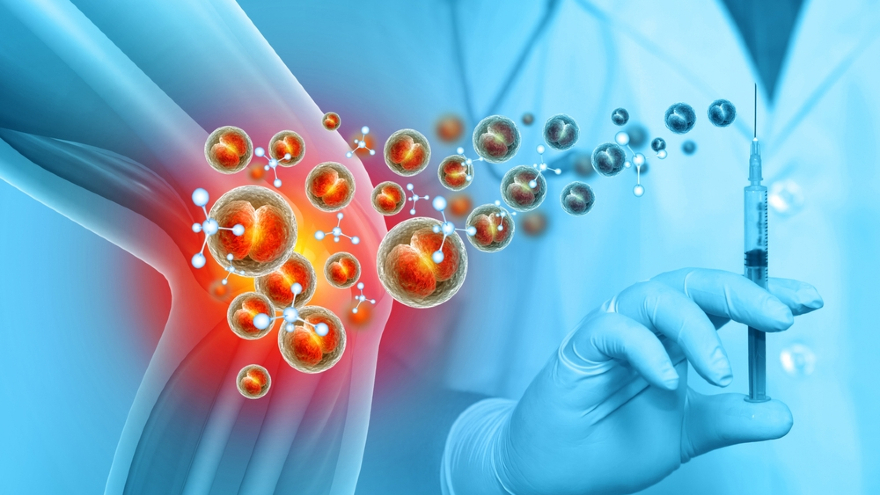
The process is designed to be as comfortable and efficient as possible. While it sounds complex, it is actually a straightforward outpatient procedure.
1. Consultation & Mapping
Your journey begins with a detailed assessment. Doctors use biomarker mapping to identify exactly where your body needs the most support. This ensures the stem cells are applied where they will have the greatest impact.
2. Harvesting
This is a minimally invasive step. A small amount of tissue—usually adipose (fat) tissue from the abdomen or bone marrow—is extracted. Because the procedure uses local anesthesia, patients typically feel only minor pressure.
3. Laboratory Optimization
This is where the "personalization" happens. Your cells are sent to a high-tech lab where they are isolated and concentrated. In advanced facilities, these cells can be expanded to ensure you receive the highest possible "cell count" for maximum healing.
4. Precision Application
Once the cells are ready, they are delivered back to your body. Depending on your needs, this might be a targeted injection into a joint or an IV systemic delivery to support overall recovery.
Recovery & Expected Results
Recovery from the procedure itself is very quick. Most patients return to their normal daily activities within 24 to 48 hours.
- 24 Hours: You may feel mild soreness at the harvesting site.
- 1 Week: Initial inflammation begins to subside.
- 1 Month: This is when the faster healing becomes visible. Tissues are stronger, and pain levels usually drop significantly.
To maximize your results, it is important to stay hydrated and avoid anti-inflammatory medications (like ibuprofen) immediately after the procedure, as these can interfere with the stem cells' natural signaling process.
Frequently Asked Questions
1. Is personalized Stem Cell Therapy Painful?
The procedure is minimally invasive. Harvesting usually involves a small needle or a minor liposuction-like technique under local anesthesia. Patients typically experience very little discomfort and no significant downtime.
2. How Fast Will I See Results?
While some patients feel a reduction in inflammation within a few days, the most significant healing effects usually peak between 4 to 8 weeks as the cells regenerate new tissue and collagen.
3. Is It Safe To Travel To South Korea For This Treatment?
Yes. South Korea is a world leader in medical tourism. Many clinics offer English-speaking staff and all-inclusive packages. The country adheres to some of the strictest medical safety protocols in the world, making it both safe and reliable.
4. Why Is It Cheaper In South Korea If The Technology Is Better?
South Korea has a highly efficient biotech supply chain and significant government support for medical innovation. This lowers the operational costs for clinics, allowing them to pass those savings on to the patient without compromising quality.
5. Will My Insurance Cover Personalized Stem Cell Therapy?
Currently, most insurance companies view stem cell therapy as an elective or "investigational" procedure. This is why many patients choose South Korea; it allows them to access premium, world-class treatment at an affordable out-of-pocket price.
Conclusion
Personalized Stem Cell Therapy represents the peak of modern healing. By harnessing your body's own power, you can recover faster, reduce pain, and achieve better surgical results. For patients who want the best technology, the highest expertise, and the most affordable prices, South Korea is the clear global leader. It offers a unique opportunity to access life-changing regenerative medicine without the prohibitive costs found elsewhere. Take the next step toward faster healing by scheduling a personalized stem cell therapy consultation.
More Medical Articles
Continue exploring our evidence-informed stem cell and longevity guides.
Safety, Ethics, and Innovation: Why Dekabi is the Most Trusted Name in Korean Stem Cell Therapy
For international patients, choosing a stem cell clinic is a high-stakes decision often clouded by skepticism and regulatory confusion. This article positions Dekabi Stem Cell Clinic not just as a medical provider, but as a global leader in ethical regenerative science.
Learn More

The Shift to Autologous Stem Cell Therapy in Korean Pain Care
Discover why Autologous Stem Cell Therapy is the new standard for pain care in Korea. Compare costs, outcomes, and root-cause healing at Dekabi Clinic.
Learn More
What to Expect from Stem Cell Therapy for Diabetes Patients?
Explore what to expect from stem cell therapy for diabetes patients—benefits, process, and outcomes of this innovative treatment. Learn more today.
Learn More