Dekabi Stem Cell Clinic in Gangnam, Seoul · Trusted Regenerative Medicine Over 22 Years


Regenerative Medicine Guide
Innovative Stem Cell Therapy for Mental Health in South Korea
Explore the transformative role of stem cell therapy for mental health in South Korea, including its impact on depression, anxiety, PTSD, and neurodegenerative diseases.
Schedule a ConsultationIntroduction
Mental health disorders such as depression, anxiety, PTSD, and neurodegenerative diseases, including Alzheimer’s and Parkinson’s, affect millions globally. Although traditional treatments like medication and therapy offer relief for many, they are not universally effective. This gap has sparked growing interest in alternative solutions, and one of the most promising options is stem cell therapy.
Stem cell therapy holds the potential to regenerate damaged brain cells, promote healing, and even restore lost brain functions. This approach is revolutionizing mental health treatments, particularly for conditions that conventional therapies struggle to address. Among the leaders in stem cell research and application, South Korea stands at the forefront, with its advanced healthcare system and innovative technologies leading the charge.
South Korea’s Leadership in Stem Cell Research

South Korea has quickly become a global hub for stem cell research, particularly in regenerative medicine. The country’s well-developed medical infrastructure and strong commitment to scientific advancement make it a leader in stem cell therapies for mental health. With research institutions and clinics specializing in this area, South Korea offers new hope to patients worldwide, including those seeking alternative treatments for mental health conditions that haven’t responded to traditional methods.
One of the clinics at the forefront of this groundbreaking work is Dekabi Stem Cell Clinic. Located in Seoul, Dekabi has spent over 22 years at the cutting edge of regenerative medicine, offering innovative treatments that address the root causes of mental health disorders. Their use of autologous stem cells (derived from the patient’s own body) ensures that patients receive the safest, most effective care possible.
In this article, we will explore the advancements in stem cell therapy for mental health, delving into the science, the clinic's approach, and the potential of this innovative treatment.
Stem Cell Therapy: A Revolutionary Approach to Mental Health Treatment
Stem cell therapy has garnered attention for its ability to treat a variety of conditions, including mental health disorders. But what makes it so unique, and how does it work?
Stem cells are extraordinary due to their regenerative capabilities—they can develop into various cell types in the body, making them ideal for treating brain damage. In the context of mental health, stem cells have the potential to repair neural pathways, regenerate brain tissue, and restore functions that were previously impaired.
There are two primary types of stem cells used in treatment: embryonic stem cells and autologous stem cells. Embryonic stem cells come from early-stage embryos, while autologous stem cells are sourced from the patient’s own body, typically from bone marrow or fat tissue. Autologous stem cells are particularly beneficial in mental health treatments due to their low risk of rejection and minimal side effects, offering a safer approach.
In mental health treatments, stem cells work by encouraging neuroplasticity, which is the brain's ability to form new neural connections. This is crucial in treating conditions like depression and anxiety, where imbalances in brain chemistry and neural circuitry are often implicated. By helping to rebuild damaged areas of the brain, stem cell therapy offers the potential for more effective emotional regulation and cognitive function.
For example, in depression, stem cells may regenerate brain regions involved in mood regulation, such as the prefrontal cortex, while in anxiety, they could help repair the neural pathways that control fear responses.
At Dekabi Stem Cell Clinic, this approach is used to treat conditions like depression, anxiety, and PTSD, with a focus on using the patient’s own stem cells to minimize risks and maximize healing. Dekabi combines this therapy with holistic programs, including energy medicine and detoxification, to provide comprehensive care for mental health patients.
Stem Cell Therapy for Depression and Anxiety
Depression and anxiety are some of the most prevalent mental health disorders worldwide. Despite available treatments, many patients experience limited or temporary relief. Stem cell therapy holds promise as a more lasting solution by targeting the underlying causes of these conditions.
By regenerating damaged brain tissue, particularly in areas involved in mood regulation, stem cells promote neuroplasticity. This allows the brain to form new neural connections, potentially restoring balance to regions such as the prefrontal cortex (important for mood regulation) and the hippocampus (involved in memory and emotional responses).
For anxiety, stem cell therapy can help repair neural circuits related to stress responses, potentially leading to reduced anxiety symptoms. Early research, including animal studies and ongoing human trials, indicates that stem cell therapy may provide relief for patients with treatment-resistant depression and anxiety.
Dekabi Stem Cell Clinic employs autologous stem cell therapy to offer customized treatment plans for patients struggling with depression and anxiety. This personalized approach ensures a safer, more effective treatment that addresses the root causes of these conditions.
Stem Cell Therapy for PTSD and Neurodegenerative Diseases
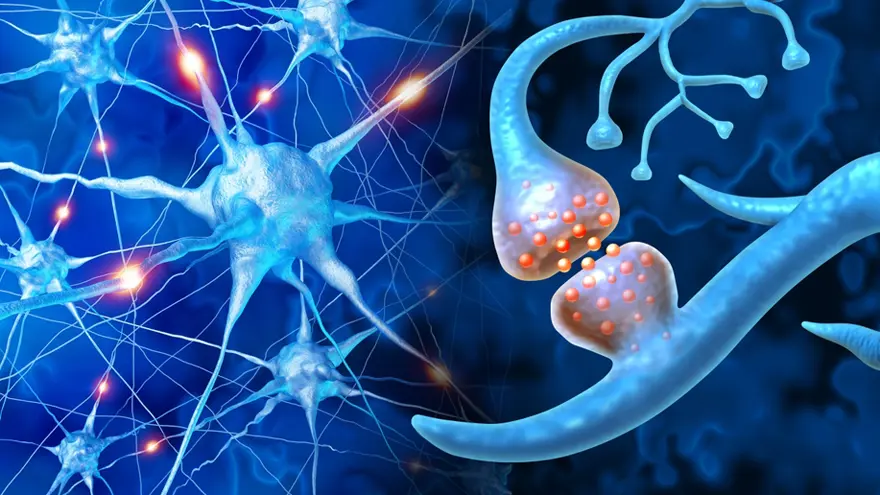
Post-traumatic stress disorder (PTSD) and neurodegenerative diseases like Alzheimer’s and Parkinson’s are notoriously difficult to treat. Stem cell therapy shows great potential in addressing these complex conditions by repairing damaged brain regions and restoring cognitive functions.
In PTSD, trauma can alter brain function, affecting memory, fear, and emotional regulation. Stem cells may help repair neural damage in critical areas, alleviating symptoms like flashbacks, hyperarousal, and emotional numbness. Early trials have shown promise, suggesting that stem cells could be part of a comprehensive solution for PTSD.
For neurodegenerative diseases, such as Alzheimer’s and Parkinson’s, stem cells could potentially replace lost brain cells, regenerate damaged regions, and restore function. Research in South Korea has focused on using dopaminergic neurons to address motor control issues in conditions like Parkinson’s, with encouraging results.
Dekabi Stem Cell Clinic offers tailored stem cell treatments for PTSD and neurodegenerative disorders, ensuring minimal risk and maximum therapeutic benefit by using autologous stem cells. By integrating this treatment with detox programs and energy medicine, Dekabi optimizes the healing process and enhances overall well-being.
The Science Behind Stem Cell Therapy for Mental Health
The effectiveness of stem cell therapy in mental health treatments lies in the ability of stem cells to regenerate damaged brain tissue. The process begins with extracting stem cells from the patient’s own body—typically from bone marrow or adipose tissue. These cells are then processed and reintroduced into the patient’s body, where they migrate to areas of the brain requiring repair.
Once in the brain, stem cells differentiate into specific types of cells needed for healing. In depression, for example, stem cells can help regenerate neurons in the prefrontal cortex, while in anxiety, they may assist in repairing neurons in the amygdala.
A key concept in this therapy is neuroplasticity—the brain’s capacity to form new neural connections. Stem cells promote this process by stimulating the growth of new neurons and improving the brain’s natural healing ability.
Research in animal models has shown that stem cells can improve mood, reduce anxiety, and even reverse cognitive decline. While human trials are still in the early stages, initial results suggest significant potential for improving mental clarity and emotional stability.
Global Appeal of Stem Cell Therapy for Mental Health

South Korea’s leadership in stem cell therapy has made it a top destination for patients worldwide seeking alternative treatments for mental health disorders. The country’s advanced medical technologies, combined with its robust healthcare infrastructure, have earned it global recognition in regenerative medicine.
Dekabi Stem Cell Clinic stands out with its exceptional success rates—having treated over 100,000 patients. The clinic’s personalized, holistic approach to mental health makes it a trusted name for those seeking stem cell therapies. Patients from around the globe travel to South Korea to benefit from Dekabi’s innovative treatments.
Safety and Risks of Stem Cell Therapy for Mental Health
While stem cell therapy offers significant benefits, it is important to understand the associated risks. The most common risks include infection, immune reactions, and cell migration. However, when performed by experienced professionals, such as those at Dekabi, these risks are minimized.
Dekabi uses autologous stem cells, which significantly reduce the risk of immune rejection. The clinic also follows strict protocols to ensure the procedure is performed in a sterile environment, further minimizing the risk of complications.
Patients undergo thorough evaluations to ensure they are suitable candidates for stem cell therapy, and ongoing follow-up care ensures their safety and progress.
The Future of Stem Cell Therapy for Mental Health
The future of mental health treatments is bright, with stem cell therapy leading the charge. Ongoing research in South Korea and beyond continues to refine the precision of stem cell delivery and explore the potential of gene-editing technologies like CRISPR to enhance treatment outcomes.
Dekabi Stem Cell Clinic is at the forefront of this research, incorporating the latest scientific advancements into its treatment protocols to ensure the best results for its patients.
Conclusion
Stem cell therapy represents a revolutionary approach to treating mental health disorders, offering hope to patients who have not found success with traditional treatments. South Korea, with its world-class clinics like Dekabi Stem Cell Clinic, is a global leader in this field, offering personalized care that targets the root causes of mental health conditions.
As research in stem cell therapy progresses, it is expected that these treatments will become more effective and widely available, changing the landscape of mental health care.
More Medical Articles
Continue exploring our evidence-informed stem cell and longevity guides.
Safety, Ethics, and Innovation: Why Dekabi is the Most Trusted Name in Korean Stem Cell Therapy
For international patients, choosing a stem cell clinic is a high-stakes decision often clouded by skepticism and regulatory confusion. This article positions Dekabi Stem Cell Clinic not just as a medical provider, but as a global leader in ethical regenerative science.
Learn More

The Shift to Autologous Stem Cell Therapy in Korean Pain Care
Discover why Autologous Stem Cell Therapy is the new standard for pain care in Korea. Compare costs, outcomes, and root-cause healing at Dekabi Clinic.
Learn More
What to Expect from Stem Cell Therapy for Diabetes Patients?
Explore what to expect from stem cell therapy for diabetes patients—benefits, process, and outcomes of this innovative treatment. Learn more today.
Learn More