Dekabi Stem Cell Clinic in Gangnam, Seoul · Trusted Regenerative Medicine Over 22 Years


Regenerative Medicine Guide
How Stem Cells Prevent Diabetic Foot Ulcers and Improve Circulation
Discover how stem cell therapy prevents diabetic foot ulcers, improves circulation, and promotes healing for better diabetes care.
Schedule a ConsultationIntroduction

Diabetic foot ulcers (DFUs) are among the most common and devastating complications of diabetes, affecting up to 25% of diabetic patients during their lifetime. These ulcers often result from a combination of neuropathy, ischemia, and impaired immune response, making them difficult to treat with conventional methods. Left untreated, DFUs can lead to severe infections, amputations, and even death. Given these stakes, the exploration of regenerative medicine—especially stem cell therapy—offers a promising alternative that not only accelerates healing but may also prevent ulcers from developing in the first place.
Stem cells, particularly mesenchymal stem cells (MSCs), are being studied and applied in advanced medical settings for their ability to regenerate damaged tissues, promote angiogenesis, and modulate inflammation. This article explores how stem cells can prevent diabetic foot ulcers and improve circulation by diving into their mechanisms, clinical evidence, delivery methods, challenges, and future directions.
Understanding the Causes of Diabetic Foot Ulcers
DFUs usually arise due to a combination of factors:
Peripheral Neuropathy: Damaged nerve fibers reduce sensation, especially in the feet. This makes patients less likely to notice minor injuries or pressure points.
Peripheral Artery Disease (PAD): Diabetes contributes to atherosclerosis, which narrows and hardens arteries, limiting blood flow to the extremities.
Poor Wound Healing: Hyperglycemia impairs immune function, reduces fibroblast activity, and alters collagen synthesis, slowing the body’s ability to heal wounds.
Infection Susceptibility: Decreased blood flow and immune dysfunction lead to increased risk of infection, often with multi-drug-resistant organisms.
Traditional treatments involve offloading the pressure, debridement, infection control, and sometimes revascularization. Yet, many ulcers remain unhealed, especially in patients with advanced diabetes. This has created demand for new therapeutic strategies, particularly in regenerative medicine.
The Promise of Stem Cell Therapy
Stem cells are unspecialized cells capable of self-renewal and differentiation into various cell types. In the context of DFUs, stem cells offer the following potential benefits:
Promotion of angiogenesis (new blood vessel formation)
Modulation of the immune response
Enhancement of extracellular matrix (ECM) remodeling
Direct participation in tissue regeneration
Secretion of bioactive molecules (paracrine signaling)
These mechanisms allow stem cells to address multiple dimensions of diabetic foot pathology simultaneously, setting them apart from conventional therapies.
Key Stem Cell Types Used
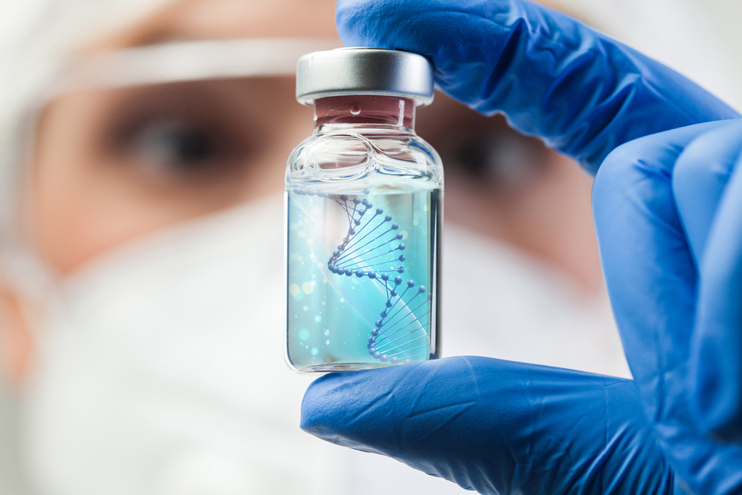
1. Mesenchymal Stem Cells (MSCs)
MSCs can be derived from bone marrow, adipose tissue, or umbilical cord tissue. They are immunoprivileged and possess anti-inflammatory, pro-angiogenic, and regenerative properties.
2. Endothelial Progenitor Cells (EPCs)
These cells promote vascular repair and are often found in bone marrow and peripheral blood. EPCs help reconstruct damaged capillary beds, improving tissue oxygenation.
3. Adipose-Derived Stem Cells (ADSCs)
Easily harvested via liposuction, ADSCs share similar properties to MSCs and have shown excellent promise in wound healing.
Mechanisms of Action
A. Angiogenesis and Improved Circulation
A major cause of DFUs is insufficient blood supply due to microvascular damage. MSCs and EPCs secrete vascular endothelial growth factor (VEGF), fibroblast growth factor (FGF), and hepatocyte growth factor (HGF), all of which:
Stimulate new capillary formation
Enhance endothelial cell survival
Improve oxygen and nutrient delivery to tissues
Clinical results show increased perfusion and oxygen tension in treated areas, often resulting in improved healing outcomes.
B. Immunomodulation and Inflammation Control
Chronic inflammation delays wound healing. MSCs release anti-inflammatory cytokines such as IL-10 and TGF-β, while downregulating pro-inflammatory factors like TNF-α and IL-6. This shift facilitates progression from the inflammatory to the proliferative phase of healing.
C. Tissue Regeneration
Stem cells aid in the proliferation of keratinocytes and fibroblasts, enhancing re-epithelialization and collagen deposition. Some cells may even differentiate into endothelial or smooth muscle cells, directly contributing to tissue repair.
D. Neuroprotection and Nerve Repair
Emerging studies suggest stem cells may produce neurotrophic factors like nerve growth factor (NGF), aiding in peripheral nerve regeneration. This could restore sensation in neuropathic limbs, reducing the risk of unnoticed injuries.
Clinical Evidence
Several preclinical and clinical studies underscore the benefits of stem cell therapy for DFUs:
A 2017 randomized trial using autologous bone marrow-derived MSCs showed a 78% complete healing rate versus 42% in the control group.
In a 2020 study, adipose-derived MSCs injected around ulcers significantly reduced healing time and ulcer size.
EPC-based therapies have improved transcutaneous oxygen pressure and ankle-brachial index in patients with severe limb ischemia.
Patients receiving stem cell therapy also reported less pain, reduced infection rates, and a decreased likelihood of amputation.
Delivery Methods

1. Local Injection
Direct intralesional or perilesional injection allows stem cells to act precisely at the site of injury. This is the most common method and has demonstrated good efficacy.
2. Topical Application
Stem cells can be embedded in hydrogels, scaffolds, or sheets and applied to the wound surface. This protects the cells and sustains their activity.
3. Systemic Administration
Intravenous delivery may benefit patients with widespread vascular issues, although fewer cells may reach the target site compared to local application.
4. Combined Approaches
Some protocols combine systemic and local delivery to harness both direct and systemic effects of stem cells.
Challenges and Limitations
Despite promising outcomes, several hurdles remain:
Cell Source Variability: Autologous cells may vary in quality depending on the patient’s age and comorbidities.
Standardization: No consensus exists on optimal cell dosage, delivery frequency, or best cell type.
Cost and Accessibility: Stem cell therapy can be expensive and is not yet widely covered by insurance.
Regulatory Hurdles: Approval varies by country, and long-term safety data is still being collected.
Risk of Adverse Effects: Although rare, there is a theoretical risk of fibrosis, ectopic tissue formation, or tumorigenesis.
Future Perspectives
Cell Preconditioning
Techniques like hypoxic preconditioning can boost cell survival and angiogenic potential before transplantation.
Gene-Modified Stem Cells
Cells engineered to overexpress angiogenic or anti-inflammatory genes show enhanced healing in experimental models.
Exosome Therapy
Stem cell-derived exosomes may replicate many therapeutic effects of stem cells with fewer risks, offering a cell-free alternative.
Smart Biomaterials
New-generation scaffolds can control the release of stem cells and their bioactive products, improving retention and efficacy.
Personalized Medicine
Biomarker-based patient profiling may help tailor stem cell therapies for maximal benefit.
Integrating Stem Cell Therapy into Holistic Diabetic Care
Stem cell therapy should not be viewed as a standalone solution but as part of a comprehensive care model that includes:
Glycemic Control: Essential to prevent further microvascular damage.
Infection Management: Early and aggressive treatment to prevent complications.
Offloading and Footwear: Reducing mechanical stress on vulnerable areas.
Nutrition and Rehabilitation: Supporting systemic healing and mobility.
Multidisciplinary clinics combining endocrinology, vascular surgery, regenerative medicine, and wound care are best positioned to deliver these integrated services.
Conclusion
Stem cell therapy represents a groundbreaking advancement in the treatment and prevention of diabetic foot ulcers. By simultaneously addressing impaired circulation, chronic inflammation, poor tissue regeneration, and neuropathy, stem cells offer a multifaceted solution where traditional treatments fall short. Although challenges remain, ongoing research and innovation promise to refine these therapies, making them safer, more effective, and more accessible.
For diabetic patients facing chronic wounds or the threat of amputation, stem cell therapy is more than just hope—it is a tangible and transformative option on the frontier of regenerative medicine.
More Medical Articles
Continue exploring our evidence-informed stem cell and longevity guides.

Safety, Ethics, and Innovation: Why Dekabi is the Most Trusted Name in Korean Stem Cell Therapy
For international patients, choosing a stem cell clinic is a high-stakes decision often clouded by skepticism and regulatory confusion. This article positions Dekabi Stem Cell Clinic not just as a medical provider, but as a global leader in ethical regenerative science.
Learn More

The Shift to Autologous Stem Cell Therapy in Korean Pain Care
Discover why Autologous Stem Cell Therapy is the new standard for pain care in Korea. Compare costs, outcomes, and root-cause healing at Dekabi Clinic.
Learn More

What to Expect from Stem Cell Therapy for Diabetes Patients?
Explore what to expect from stem cell therapy for diabetes patients—benefits, process, and outcomes of this innovative treatment. Learn more today.
Learn More