Dekabi Stem Cell Clinic in Gangnam, Seoul · Trusted Regenerative Medicine Over 22 Years
Regenerative Medicine Guide
How Stem Cells Help Repair Lung Damage After COVID-19
Discover how stem cells help repair lung damage after COVID-19 by reducing inflammation and promoting regeneration. Explore this breakthrough therapy—learn more!
Schedule a ConsultationHow Stem Cells Help Repair Lung Damage After COVID-19?
The COVID-19 pandemic has reshaped global health and challenged modern medicine in unprecedented ways. Although vaccines and antiviral drugs have substantially reduced mortality and severe disease, many patients continue to experience persistent lung damage and chronic respiratory symptoms long after the acute infection has resolved. At Dekabi Stem Cell Clinic, we’ve seen firsthand how these lingering pulmonary complications can profoundly impact quality of life, physical function, and overall well-being.
In response, regenerative medicine—especially mesenchymal stem cell (MSC) therapy—has emerged as a promising therapeutic avenue to help repair, regenerate, and restore lung tissue damaged by severe viral infection and intense immune responses. In this article, we will explore the biological basis of lung injury in COVID-19, how stem cells work at a molecular and cellular level, the evidence supporting their use, and how these therapies fit within a modern, personalized clinical approach.
The Nature of COVID-19 Lung Injury: More than a Viral Illness
To appreciate how stem cells can help, it’s important to understand how COVID-19 damages the lungs.
When SARS-CoV-2 infects the respiratory tract, it can trigger:
- Direct viral damage to lung epithelial cells
- Severe inflammation and immune activation
- Cytokine storms – unnaturally heightened immune responses that damage tissue
- Acute Respiratory Distress Syndrome (ARDS)
- Fibrosis or scar formation in lung tissue even after the infection clears
In severe cases, the injury isn’t simply an acute infection—it becomes a systemic inflammatory process. The immune system’s attempt to eradicate the virus sometimes overshoots, leading to collateral damage in lung parenchyma (gas-exchange units of the lungs). The result can be permanent structural changes mediated by persistent inflammation and scarring.
This disorder of structure and function leaves many patients with:
- Reduced oxygen exchange capacity
- Chronic shortness of breath
- Fatigue and exercise intolerance
- Radiographic abnormalities on chest imaging
even months after recovery from the infection. Traditional supportive care—including steroids, antivirals, and pulmonary rehabilitation—addresses symptoms and complications but doesn’t directly regenerate damaged tissues. This biological gap is where stem cell therapy offers a fundamentally different mechanism of action.
What Makes Stem Cells Unique in Lung Repair?
Among various stem cell types, mesenchymal stem cells (MSCs)—commonly derived from umbilical cord tissue, bone marrow, or adipose tissue—have become the most studied in the context of lung injury. Their properties make them particularly suitable for treating inflammatory and degenerative conditions:
a) Immunomodulation – Resetting the Immune Response
MSCs play a critical role in immune modulation, meaning they can:
- Reduce excessive inflammatory signals
- Decrease levels of pro-inflammatory cytokines
- Increase regulatory immune cells that calm immune reactions
- Shift the immune environment toward resolution rather than inflammation
This feature is especially valuable in COVID-19, where an overactive immune response causes much of the lung damage, rather than the virus itself.
b) Paracrine Effects – Signaling for Healing
MSCs work significantly through secreted factors (growth factors, cytokines, exosomes). These molecules serve as biological messengers that:
- Stimulate local lung cells to proliferate and repair
- Encourage angiogenesis (formation of new capillaries)
- Reduce oxidative and inflammatory stress
This paracrine signaling is a major mechanism by which MSCs promote regeneration in damaged tissues.
c) Tissue Regeneration and Remodeling
Although MSCs rarely engraft long-term and become lung cells themselves in large quantities, they can create an environment conducive to regeneration. In preclinical studies, MSCs have shown the ability to:
- Support regeneration of alveolar epithelial cells (key for gas exchange)
- Influence the extracellular matrix to reduce scarring
- Enhance recruitment of native lung progenitor cells that restore normal lung structure
d) Anti-Fibrotic Action – Preventing Permanent Scar Tissue
One of the most serious consequences of severe lung inflammation is fibrosis—a process of scar formation in the lung that blocks gas exchange and stiffens the lungs. Evidence shows MSCs can:
- Inhibit fibroblast proliferation
- Reduce collagen deposition
- Modulate fibrotic signaling pathways
This anti-fibrotic effect offers hope for patients at risk of permanent pulmonary dysfunction.
Mechanisms of MSC Interaction with Lung Tissue
To dive deeper into mechanisms, we break down how MSCs influence specific biological pathways relevant to COVID-19 lung injury:
a) Regulation of Immune Cells
MSCs interact with:
- Macrophages – converting them from inflammatory (M1) to healing (M2) phenotypes
- T lymphocytes – suppressing overactivation
- Dendritic cells – reducing antigen presentation that fuels excessive immunity
This coordinated shifting of immune balance helps dampen the cytokine storm and prevents further tissue deterioration.
b) Secretion of Growth Factors and Exosomes
MSCs release a range of bioactive agents, including:
- Hepatocyte Growth Factor (HGF)
- Vascular Endothelial Growth Factor (VEGF)
- Transforming Growth Factor-β (TGF-β)
- Exosomes – tiny vesicles rich in microRNA and proteins that influence cell behavior
These factors modulate processes such as angiogenesis, epithelial cell proliferation, and matrix remodeling—essential steps for structured repair.
c) Support of Endogenous Lung Progenitor Cells
MSCs coordinate healing by supporting the patient’s own repair mechanisms. By signaling resident progenitor cells, MSCs help amplify natural regenerative potential rather than replace it entirely.
Evidence from Clinical Research
Over the last decade—and especially since the COVID-19 pandemic—a growing body of preclinical and clinical research has examined MSC therapy’s safety and efficacy in lung injury.
a) Safety and Tolerance
Numerous clinical studies have shown that MSC treatment, when properly manufactured and administered, has a favorable safety profile, even in critically ill patients. Adverse events are rare, and immune compatibility is high because MSCs naturally suppress immune overactivation.
b) Improvements in Clinical Outcomes
Clinical trials and case reports have documented:
- Reduced inflammatory markers
- Faster resolution of respiratory symptoms
- Improved oxygenation and pulmonary function
- Better radiographic lung improvement on CT scans
In severe COVID-19 pneumonia and ARDS, MSC therapy has shown potential not just in symptom reduction but in meaningful organ recovery.
c) Emerging Data in Long COVID
Growing clinical experience suggests that patients with post-COVID lung symptoms—such as persistent shortness of breath or exercise intolerance—may also benefit from MSC-based regenerative support, particularly due to the anti-inflammatory and anti-fibrotic mechanisms described above.
d) Novel Applications: Exosomes and Aerosol Delivery
Beyond direct cell transplantation, research is also exploring MSC-derived exosomes and novel delivery methods, such as nebulized inhalation, to target lung tissue more directly.
Why Timing, Source, and Delivery Matter?
The effectiveness of stem cell therapy is influenced by several clinical factors:
a) Source of MSCs
Common sources include:
- Umbilical cord tissue – highly proliferative and immunomodulatory
- Bone marrow – traditional source with strong clinical data
- Adipose tissue – abundant but variable in potency
Each source has unique properties affecting immune response, secretome profile, and regenerative potential.
b) Timing of Treatment
MSC therapy may be considered:
- During severe acute lung injury to prevent progression and excessive inflammation
- In early convalescence to accelerate repair
- In chronic post-COVID phases to help resolve persistent inflammation and fibrosis
At Dekabi, we tailor therapy to each patient’s clinical stage and imaging findings.
c) Delivery Method
Intravenous infusion remains the most studied route, leveraging the natural homing ability of MSCs to inflamed lung tissue. Emerging modalities such as nebulized inhalation of exosomes may offer more targeted delivery directly to the airways.
Integrating Stem Cell Therapy into Personalized Care
At Dekabi Stem Cell Clinic, regenerative medicine is not a one-size-fits-all approach. Our clinical strategy emphasizes:
a) Comprehensive Assessment
Before therapy, we conduct a detailed evaluation, including:
- Pulmonary function tests
- Imaging studies (e.g., high-resolution CT scans)
- Immune and inflammatory biomarkers
- Clinical symptom profiling
b) Precision-Driven Protocols
We customize stem cell protocols including:
- MSC dosage
- Source selection
- Adjunct therapies (e.g., anti-fibrotic agents, targeted rehabilitation)
Our protocols adhere to international safety and manufacturing standards, ensuring high-quality, well-characterized cell products.
c) Holistic Support
Stem cell therapy at Dekabi is integrated with:
- Pulmonary rehabilitation programs
- Nutritional and metabolic optimization
- Immune support
- Long-term monitoring
This holistic care model enhances recovery and maximizes functional lung restoration.
Patient Experiences and Real-World Impact
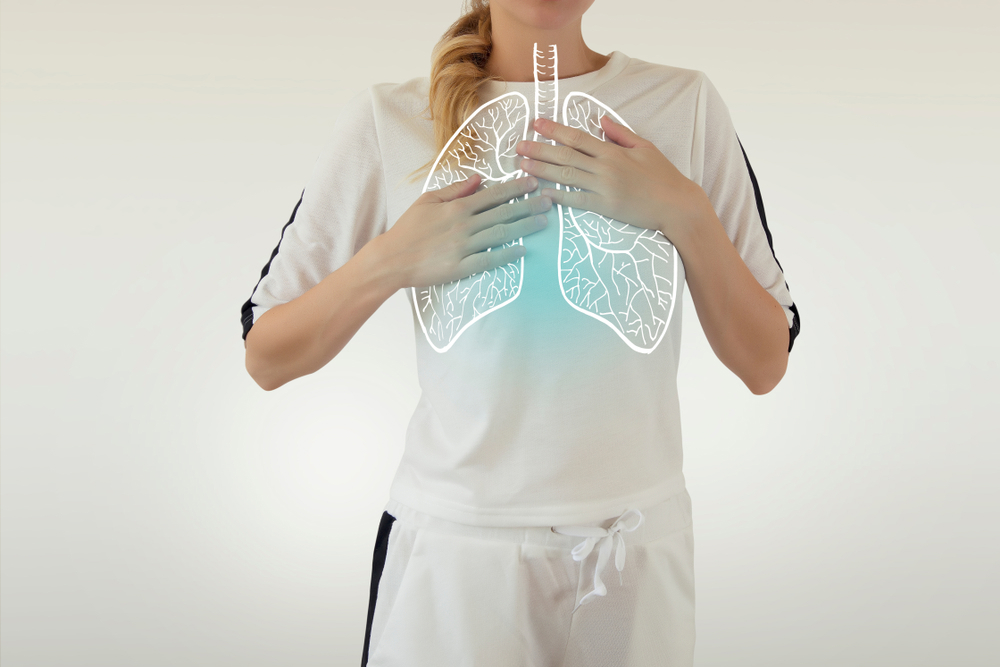
Many patients who undergo MSC-based regenerative therapy report:
- Improved breathing capacity
- Greater exercise tolerance
- Reduced chronic fatigue
- Enhanced overall quality of life
These real-world outcomes, combined with imaging and functional improvements, underscore the practical benefits of regenerative therapy beyond conventional supportive care.
Challenges, Safety, and Future Directions
While the promise of MSC therapy is substantial, several challenges remain:
a) Standardizing Protocols
Clinical research is still defining:
- Optimal dosing regimens
- Best delivery routes
- Long-term safety profiles
b) Regulatory and Quality Considerations
Stem cell products must meet strict good manufacturing practices (GMP) and regulatory compliance to ensure safety and efficacy.
c) Cutting-Edge Developments
Future innovations include:
- Engineered stem cells with enhanced regenerative signaling
- Cell-free therapies using exosomes
- Combination approaches with pharmacologic agents
These advances could further enhance lung repair mechanisms and expand therapeutic options.
Conclusion: A New Partnership in Lung Recovery
The aftermath of COVID-19 has left a global community seeking solutions that not only treat symptoms but heal the organs affected by this virus. Mesenchymal stem cell therapy offers an innovative, biologically grounded strategy that goes beyond symptom management—addressing underlying inflammation, supporting regeneration, and potentially preventing long-term complications such as fibrosis.
At Dekabi Stem Cell Clinic, we combine clinical expertise, cutting-edge regenerative protocols, and individualized care planning to help patients navigate post-COVID lung recovery. Our approach is grounded in both scientific evidence and compassionate patient-centered care—integrating stem cell therapy into a broader vision of long-term wellness and functional recovery.
More Medical Articles
Continue exploring our evidence-informed stem cell and longevity guides.

Safety, Ethics, and Innovation: Why Dekabi is the Most Trusted Name in Korean Stem Cell Therapy
For international patients, choosing a stem cell clinic is a high-stakes decision often clouded by skepticism and regulatory confusion. This article positions Dekabi Stem Cell Clinic not just as a medical provider, but as a global leader in ethical regenerative science.
Learn More

The Shift to Autologous Stem Cell Therapy in Korean Pain Care
Discover why Autologous Stem Cell Therapy is the new standard for pain care in Korea. Compare costs, outcomes, and root-cause healing at Dekabi Clinic.
Learn More
What to Expect from Stem Cell Therapy for Diabetes Patients?
Explore what to expect from stem cell therapy for diabetes patients—benefits, process, and outcomes of this innovative treatment. Learn more today.
Learn More