Dekabi Stem Cell Clinic in Gangnam, Seoul · Trusted Regenerative Medicine Over 22 Years

Regenerative Medicine Guide
How Stem Cells Help Reduce Insulin Resistance in Type 2 Diabetes
Discover how stem cell therapy may reduce insulin resistance in type 2 diabetes and support blood sugar control. Learn more about this breakthrough today!
Schedule a ConsultationIntroduction
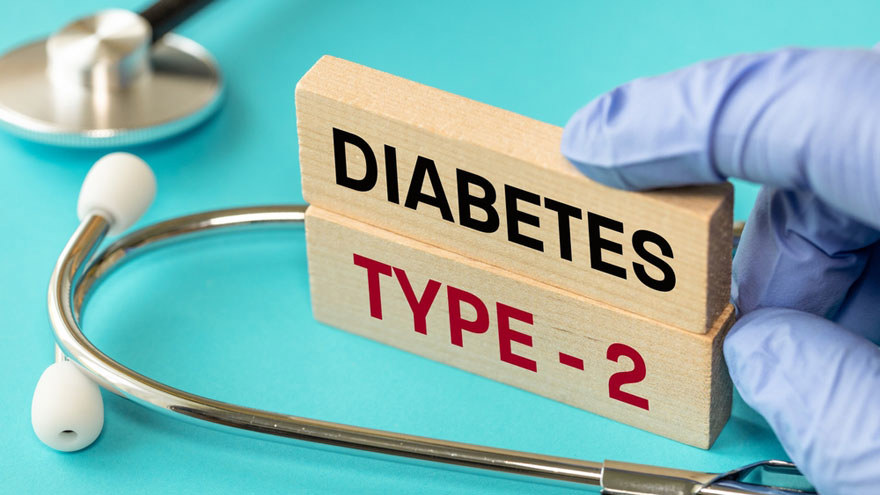
Type 2 diabetes is one of the fastest-growing health concerns worldwide, affecting more than 460 million people. Unlike Type 1 diabetes, which is caused by the destruction of insulin-producing cells in the pancreas, Type 2 diabetes is largely driven by insulin resistance. This means that although the body still produces insulin, the cells in muscle, liver, and fat no longer respond effectively.
When this happens, glucose builds up in the bloodstream, leading to high blood sugar levels. Over time, this chronic imbalance contributes to inflammation, weight gain, cardiovascular disease, nerve damage, kidney failure, and vision loss. Traditional treatments like oral medications and insulin injections help control blood sugar, but they do not address the root cause: insulin resistance.
This is why stem cell therapy has gained attention as a revolutionary approach. Rather than simply lowering blood sugar, stem cells work at the cellular and molecular levels to restore balance, repair damaged tissue, and reduce inflammation. Below, we’ll explore how stem cells may help reduce insulin resistance in Type 2 diabetes, and why this represents a breakthrough in regenerative medicine.
1. Restoring Insulin Sensitivity
At the core of Type 2 diabetes is the loss of insulin sensitivity. Normally, insulin acts like a key, unlocking cells so glucose can enter and be used as energy. In diabetes, this key no longer works efficiently.
Stem cell therapy offers several ways to reverse this:
- Anti-inflammatory effects: Mesenchymal stem cells (MSCs), the type most often used in diabetes research, release bioactive molecules such as cytokines, growth factors, and exosomes. These molecules calm the chronic low-grade inflammation found in muscle, fat, and liver tissue—areas where insulin resistance develops.
- Repairing insulin pathways: Inflammation disrupts the signaling chain that allows insulin to transport glucose into cells. By reducing oxidative stress and inflammation, stem cells restore these pathways, making insulin more effective.
- Improved glucose uptake: With better signaling, cells become more responsive to insulin. This means glucose is used for energy rather than circulating in the blood.
Clinical insight: Studies have reported measurable improvements in HbA1c (a three-month average of blood sugar), reduced fasting glucose, and greater insulin sensitivity in patients after stem cell therapy.
For patients, this can translate into more stable blood sugar, fewer highs and lows, improved energy, and reduced risk of diabetes-related complications.
2. Repairing Pancreatic Function

While insulin resistance is the main issue in Type 2 diabetes, many patients also experience progressive damage to pancreatic beta cells, which are responsible for producing insulin. Over time, these cells become “exhausted” from overwork and chronic inflammation.
Stem cells can play a vital role in preserving and restoring pancreatic health:
- Beta-cell protection: MSCs release protective compounds that shield beta cells from stress, toxins, and immune-related damage.
- Support for regeneration: Although stem cells do not directly become beta cells in most cases, they can stimulate the pancreas to regenerate by creating a healthier environment for natural repair.
- Boosted insulin production: With protection and support, the pancreas may maintain or even increase its ability to release insulin in response to meals.
Clinical insight: In trials, patients treated with stem cells showed improved C-peptide levels (a marker of insulin production), indicating better pancreatic function.
For patients, this means slower progression of diabetes, reduced reliance on medications, and preservation of natural insulin production.
3. Reducing Fat Accumulation in the Liver
The liver plays a central role in blood sugar balance. In people with Type 2 diabetes, it often develops non-alcoholic fatty liver disease (NAFLD), where fat builds up inside liver cells. This excess fat worsens insulin resistance and increases the risk of heart disease.
Stem cell therapy directly benefits the liver by:
- Improving metabolism: Stem cells release factors that enhance how the liver processes fats and sugars, reducing fat buildup.
- Reversing fibrosis: In advanced cases, fatty liver can progress to scarring (fibrosis). Stem cells have shown promise in reducing fibrosis and preserving healthy tissue.
- Supporting detoxification: A healthier liver improves the body’s ability to filter toxins, regulate cholesterol, and stabilize blood sugar.
Clinical insight: Research suggests that patients with fatty liver disease who undergo stem cell therapy show improvements in liver enzyme levels and imaging scans, indicating reduced fat and better liver function.
For patients, this means a stronger metabolism, better blood sugar regulation, and lower risk of complications like cirrhosis and cardiovascular disease.
4. Balancing the Immune System
Chronic inflammation is a key driver of insulin resistance. In Type 2 diabetes, the immune system produces an excess of inflammatory molecules that interfere with insulin signaling and damage tissues.
Stem cells are powerful immune modulators:
- Immune “retraining”: MSCs help shift the immune system away from a constant pro-inflammatory state toward a balanced, protective mode.
- Reduced tissue damage: By calming the immune system, stem cells prevent further harm to insulin-sensitive tissues such as muscle, liver, and pancreas.
- System-wide benefits: This rebalancing doesn’t just improve insulin sensitivity—it also helps lower risks for related conditions like cardiovascular disease, neuropathy, and kidney problems.
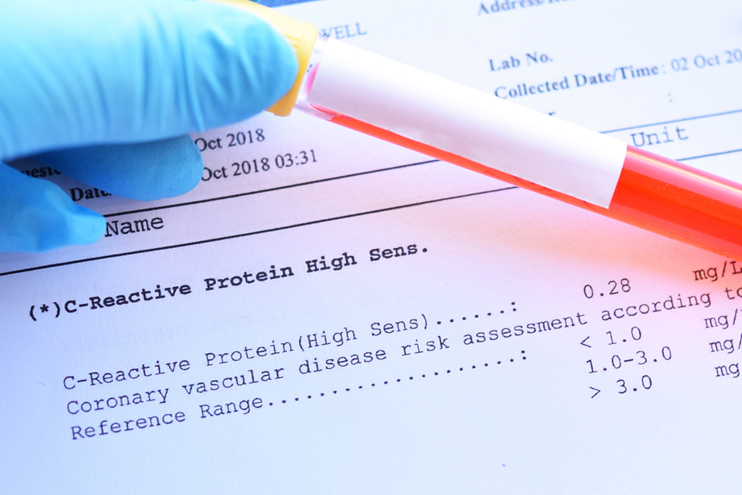
Clinical insight: Patients receiving stem cell therapy often show reductions in inflammatory markers such as C-reactive protein (CRP), indicating less systemic inflammation.
For patients, this means better overall health, reduced pain and fatigue, and stronger protection against long-term complications.
5. Long-Term Regeneration and Whole-Body Benefits
Unlike conventional diabetes treatments, which must be taken daily and primarily control blood sugar, stem cell therapy offers regenerative benefits that may last for months or years.
- Repair at the cellular level: Stem cells target the underlying mechanisms of insulin resistance—repairing tissues, restoring insulin pathways, and improving organ function.
- Beyond blood sugar: Patients often notice improvements in energy, reduced chronic pain, sharper focus, and better sleep.
- Medication reduction: With better natural insulin sensitivity, some patients are able to reduce or simplify their medication regimens.
- Slowing complications: Stem cells’ anti-inflammatory and regenerative effects may slow or even reverse the progression of nerve, kidney, or eye complications.
Clinical insight: In multiple studies, patients treated with stem cells experienced sustained improvements in blood sugar control for up to one year, even without increases in medication.
For patients, this means not just improved numbers on a lab report, but a better quality of life and long-term health protection.
Why Choose Stem Cell Therapy for Type 2 Diabetes?
Traditional diabetes management is essential but limited—it controls symptoms without reversing the disease process. Stem cell therapy offers something different:
- Personalized medicine: At Dekabi Stem Cell Clinic, treatment plans are customized for each patient based on their medical history, current condition, and wellness goals.
- Proven expertise: Dr. Eun Young Baek, with over 34 years in medicine and 22 years in stem cell therapy, is one of Korea’s leading experts in regenerative treatments.
- Integrated care: Beyond stem cells, patients benefit from holistic programs including detox therapies, anti-aging medicine, and chronic disease management.
- Future-focused outcomes: The goal is not just to lower blood sugar temporarily but to restore metabolic health, prevent complications, and support lifelong wellness.
Key Takeaway
Type 2 diabetes is a complex condition rooted in insulin resistance, inflammation, and gradual decline of pancreatic function. Stem cell therapy offers a revolutionary approach by addressing these challenges directly at the source.
By restoring insulin sensitivity, protecting the pancreas, improving liver health, balancing the immune system, and supporting regeneration, stem cells represent a promising option for patients who want more than symptom control—they want true healing.
At Dekabi Stem Cell Clinic in Gangnam, Seoul, Dr. Eun Young Baek and her team specialize in advanced stem cell therapies tailored to patients with Type 2 diabetes and chronic conditions. With over two decades of success in regenerative medicine, our clinic is dedicated to helping patients regain energy, reduce complications, and achieve long-term health.
More Medical Articles
Continue exploring our evidence-informed stem cell and longevity guides.

Safety, Ethics, and Innovation: Why Dekabi is the Most Trusted Name in Korean Stem Cell Therapy
For international patients, choosing a stem cell clinic is a high-stakes decision often clouded by skepticism and regulatory confusion. This article positions Dekabi Stem Cell Clinic not just as a medical provider, but as a global leader in ethical regenerative science.
Learn More

The Shift to Autologous Stem Cell Therapy in Korean Pain Care
Discover why Autologous Stem Cell Therapy is the new standard for pain care in Korea. Compare costs, outcomes, and root-cause healing at Dekabi Clinic.
Learn More

What to Expect from Stem Cell Therapy for Diabetes Patients?
Explore what to expect from stem cell therapy for diabetes patients—benefits, process, and outcomes of this innovative treatment. Learn more today.
Learn More