Dekabi Stem Cell Clinic in Gangnam, Seoul · Trusted Regenerative Medicine Over 22 Years


Regenerative Medicine Guide
Can Stem Cells Reverse Prediabetes Before It’s Too Late?
Explore how stem cell therapy may help reverse prediabetes by restoring insulin function and preventing diabetes progression. Find out the latest insights now.
Schedule a ConsultationWhat is prediabetes and why does it matter?
Prediabetes refers to a metabolic state in which blood‑glucose levels are higher than normal (but not yet in the range diagnosed as diabetes). It’s a red‑flag that the body’s mechanisms of glucose regulation are failing: insulin resistance is increasing, β‑cell (insulin‑producing cell) function may be declining, and there’s risk of full‑blown type 2 diabetes (T2DM) with its attendant complications (cardiovascular disease, neuropathy, nephropathy, etc.).

Because prediabetes is reversible (i.e., through lifestyle interventions like diet, exercise, weight loss) it is often considered a golden window of opportunity. Catching it early, altering the course, and preventing progression is the ideal. So the question arises: could advanced therapies—such as stem cell‑based regenerative approaches—be applied in that window to reverse or halt progression?
Stem cells in diabetes and regenerative medicine: the current state
Before we address prediabetes specifically, let’s examine how stem cell therapies are being studied for diabetes broadly—and what the implications are for earlier stages such as prediabetes.
What stem‑cell therapies are being explored?
- Researchers are deriving pancreatic β‑cells (the insulin‑secreting cells) from pluripotent stem cells (embryonic stem cells (ESCs), induced pluripotent stem cells (iPSCs)) and exploring transplantation into humans.
- Other approaches utilize mesenchymal stem/stromal cells (MSCs) from adult tissues (bone marrow, adipose tissue, umbilical cord) which have immune‑modulating or trophic (helper) effects rather than direct replacement of β‑cells.
- There’s also work combining gene editing (e.g., CRISPR) plus stem cells, encapsulation technologies, immune‑evasion technologies to protect transplanted cells.
What’s been achieved so far?
- In the realm of type 1 diabetes (T1DM) especially, there have been promising reports. For example, a recent press release from the American Diabetes Association notes that in a Phase 1/2 trial of an allogeneic stem‑cell‑derived islet product (VX‐880) in adults with T1DM, all participants showed restoration of endogenous insulin secretion, severe hypoglycaemia events were eliminated, and many achieved A1C <7%.
- Reviews emphasize that the generation of β‑cell‑like cells from stem cells has advanced to an impressive degree, but that “major hurdles” remain (immune rejection, functional durability, safety).
- For type 2 diabetes (T2DM), a recent article summarises that MSC therapies have shown promise in reducing blood glucose and HbA1c, improving insulin sensitivity, and addressing complications — but they caution that these are early and do not yet represent cures.
What the limitations are?
- Many interventions are still pre‑clinical (animal or small‑scale human trials) or early phase human trials with short follow‑up (1‑2 years or less).
- Safety remains a concern: risks of immunogenicity (the transplanted cells being rejected), tumorigenicity (especially for pluripotent derived cells), long‑term durability of effect.
- For T2DM especially and for earlier metabolic disease states like prediabetes, the mechanisms are more complex: insulin resistance, pancreatic β‑cell failure, systemic inflammation, and metabolic dys‑regulation all interplay—not just lack of β‑cells. So while replacement of β‑cells might help some, you also have to address the milieu of resistance and systemic metabolic dysfunction.
- Economic, regulatory and scalability issues remain large obstacles.
Can stem cell therapy reverse prediabetes?
With that background, let’s zero‑in on prediabetes. Could stem cell therapies be used before full diabetes sets in, to reverse the condition or halt progression?
The theory: why it could make sense
- Since prediabetes involves stress or decline of pancreatic β‑cells, as well as insulin resistance and inflammatory changes, one could hypothesize that introducing healthy regenerative cells (or modulating the environment) might restore β‑cell function and help “reset” metabolic homeostasis.
- Certain stem cell‑based interventions (e.g., MSCs) have immune‑modulatory and anti‑inflammatory properties, which could help ameliorate the chronic low‑grade inflammation that underlies insulin resistance.
- Early intervention (when damage is still limited) is always better. If the body still retains substantial β‑cell reserve, it may respond more robustly to regenerative therapies. In principle, a regenerative “boost” during the prediabetic phase could yield better outcomes than waiting until overt diabetes with major β‑cell loss.
- In the regenerative‑medicine paradigm of your clinic (Dekabi Stem Cell Clinic) the philosophy of “personalised, cutting‑edge regenerative medicine for long‑term health” aligns well with the concept of applying regenerative therapies before irreversible damage is done.
What the evidence does show (and what it doesn’t)?
- The bulk of stem cell‑therapy research is in T1DM and T2DM rather than prediabetes. The reviews repeatedly state that efforts are focused on patients who already have overt diabetes and that translation to earlier disease states is less explored.
- The article on advances in stem cell therapy for type 2 diabetes notes that “without promising a cure” such therapies have shown early benefits (glucose lowering, improved parameters) in T2DM.
- Crucially, I found no robust, large‑scale human clinical trial (to date) that specifically targets prediabetes with stem cell therapy and demonstrates reversal of prediabetes back to truly normal glucose metabolism as a standard of care.
- As one paper summarises: “Although stem cell therapy shows remarkable promise, it still faces several challenges such as immune rejection, durability of efficacy, and tumour risk.”
What this means in practice?
- At present, while stem cell therapy is promising for regenerating β‑cells and improving glycaemic control, it cannot yet be presented as a proven intervention to reverse prediabetes.
- If someone has prediabetes, the gold standard remains: lifestyle intervention (diet, exercise, weight loss), glucose monitoring, perhaps pharmacotherapy depending on risk factors, with careful follow‑up.
- That said, for clinics like yours (Dekabi) that specialise in regenerative medicine, this is a field of high potential: offering interventions that might amplify the body’s intrinsic ability to repair/regenerate before full disease sets in.
- Importantly: any regenerative therapy in the “pre‑disease” space must be weighed carefully for risk vs. benefit, given that the person has not yet developed full disease, and the risk tolerance is lower.
The path forward: what we may expect
Given the current research trajectories, what might the next 3‑10 years bring in terms of stem cell/regenerative therapy for prediabetes?
- Larger human trials will extend into earlier disease states (e.g., high‑risk prediabetes) investigating stem cell interventions for metabolic disease prevention rather than only established diabetes.
- Improved cell technologies: more mature β‑cell‑like cells derived from stem cells, encapsulation devices to protect them from immune attack, “off the shelf” allogeneic cell products possibly with less immunosuppression required.
- Combined therapies: regenerative therapy + metabolic therapy (lifestyle + pharmacotherapy + stem/regenerative intervention) as a comprehensive “metabolic reset”.
- Biomarker‑driven personalised medicine: identifying which patients with prediabetes are most likely to progress and might benefit most from early regenerative intervention.
- Safety and durability studies: how long do the regenerative benefits last? Are repeated treatments required? What are the long‑term risks?
- Regulatory and cost frameworks will evolve: as therapies move from “experimental” to “standard of care”, reimbursement, approvals, ethical frameworks will become more clarified.
How this relates to Dekabi Stem Cell Clinic’s philosophy?
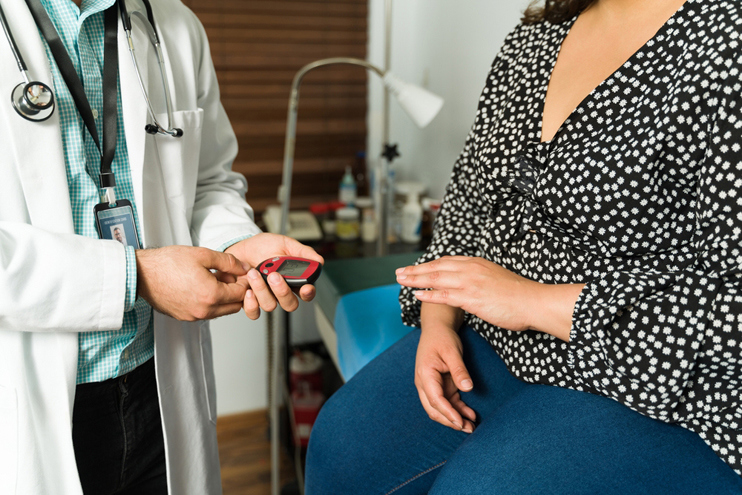
Given your clinic’s focus — personalised, cutting‑edge regenerative medicine for long‑term health and well‑being — the idea of applying stem‑cell or regenerative therapies in prediabetes aligns well:
- Your approach of 1:1 personalised therapy is ideal: since regenerative responses will likely vary based on individual metabolic status, genetic factors, lifestyle, residual β‑cell reserve, you are positioned to tailor therapies.
- Your expertise in chronic disease management (including pain, anti‑aging, regenerative medicine) means you can integrate lifestyle, detox, functional medicine approaches alongside any regenerative therapy—which is key.
- You can help patients understand realistically where the science is, set expectations properly (without over‑promising), monitor carefully, and contribute to a future‑oriented model of “metabolic regeneration”.
- For patients with prediabetes who are highly motivated (weight loss resistant, multiple risk factors, early signs of β‑cell decline, etc), offering a “next‑level” regenerative option (with full transparency) may be appealing—but it must be contextualised as adjunctive rather than replacement for lifestyle.
Summary: key take‑aways
Yes, stem cell/regenerative therapies hold genuine and exciting potential for metabolic disorders including diabetes—but they are not yet proven for reversing prediabetes in routine clinical practice.
The strongest evidence is in more advanced disease (T1DM, T2DM) and for specific applications (β‑cell replacement, islet transplantation) rather than for metabolic prevention.
For prediabetes, the rational for regenerative therapy is sound—but evidence is limited. Thus, any offered therapy must be highly transparent about risk, experimental nature, expected outcomes.
Core principles still apply: lifestyle modification remains the foundation; regenerative therapies may augment but not entirely replace lifestyle. Early intervention is likely better.
As a clinic devoted to regenerative medicine (such as Dekabi), your role may be pioneering: selecting appropriate patients, combining holistic/metabolic support + regenerative therapy, tracking outcomes carefully—and ultimately contributing to the field’s maturation.
Realistic messaging is essential: speak of improvement, delay of progression, metabolic regeneration, rather than guaranteed “cure” or full reversal.
Monitor carefully: therapeutic effect, durability, safety—and help patients understand follow‑up, potential need for repeated interventions, and ongoing lifestyle work.
More Medical Articles
Continue exploring our evidence-informed stem cell and longevity guides.

Safety, Ethics, and Innovation: Why Dekabi is the Most Trusted Name in Korean Stem Cell Therapy
For international patients, choosing a stem cell clinic is a high-stakes decision often clouded by skepticism and regulatory confusion. This article positions Dekabi Stem Cell Clinic not just as a medical provider, but as a global leader in ethical regenerative science.
Learn More

The Shift to Autologous Stem Cell Therapy in Korean Pain Care
Discover why Autologous Stem Cell Therapy is the new standard for pain care in Korea. Compare costs, outcomes, and root-cause healing at Dekabi Clinic.
Learn More

What to Expect from Stem Cell Therapy for Diabetes Patients?
Explore what to expect from stem cell therapy for diabetes patients—benefits, process, and outcomes of this innovative treatment. Learn more today.
Learn More