Dekabi Stem Cell Clinic in Gangnam, Seoul · Trusted Regenerative Medicine Over 22 Years
Regenerative Medicine Guide
Advances in Stem Cell Therapy for Epilepsy in South Korea
Discover the groundbreaking advances in stem cell therapy for epilepsy in South Korea, including clinical trials, technological innovations, and patient success stories.
Schedule a ConsultationStem Cell Therapy for Epilepsy: Pioneering Advances from South Korea
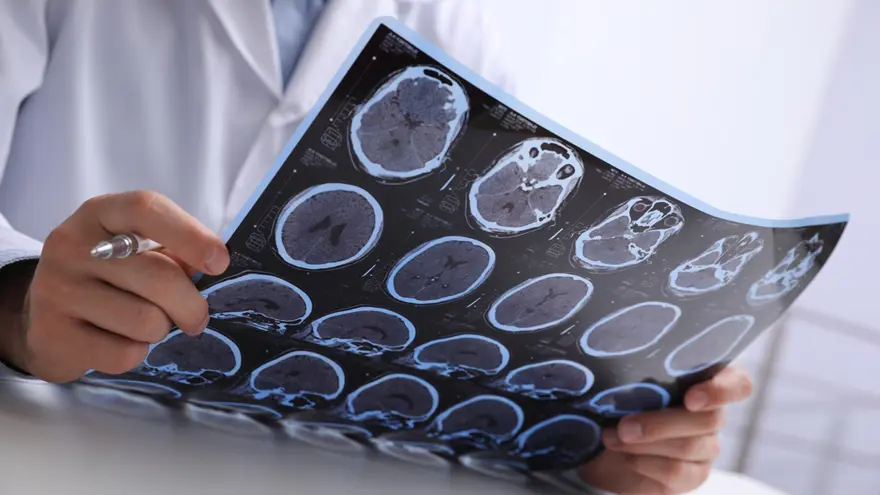
Epilepsy is a widespread neurological disorder that impacts millions of people worldwide. Although anti-seizure medications can help many manage their condition, a significant portion of patients experience drug resistance, adverse side effects, or a reduced quality of life. These challenges have prompted the search for alternative treatments, and one of the most promising options is stem cell therapy.
In recent years, South Korea has emerged as a global leader in stem cell research, particularly in the treatment of epilepsy. The country's advancements in regenerative medicine have gained the attention of medical communities around the world, offering new hope for patients struggling with drug-resistant epilepsy.
Epilepsy: A Complex Neurological Disorder
Epilepsy is a chronic neurological condition characterized by abnormal electrical activity in the brain, leading to recurrent seizures. It can be classified into two main types: focal epilepsy (localized to one area of the brain) and generalized epilepsy (affecting both sides of the brain). While anti-seizure medications are effective for many patients, approximately 30% of people with epilepsy continue to experience seizures despite treatment, which is known as drug-resistant epilepsy.
The Limitations of Current Treatments
Despite the availability of various treatments, including medication and surgery, existing epilepsy therapies have significant limitations:
- Medications: Anti-seizure medications help many manage their seizures but can cause side effects, including dizziness, fatigue, and cognitive impairment. Furthermore, they often don’t provide complete control over seizures for drug-resistant patients.
- Surgery: In extreme cases, surgical options to remove the seizure focus in the brain are considered. However, surgery may not always be effective or suitable for all patients, especially those with generalized epilepsy.
Given these challenges, researchers have turned to stem cell therapy as a potential solution for epilepsy patients who do not respond to traditional treatments.
The Science of Stem Cell Therapy for Epilepsy

Stem cells are unique due to their regenerative properties, which make them a promising option for treating neurological diseases such as epilepsy. These cells can differentiate into various types of brain cells, potentially aiding in the repair and regeneration of damaged brain tissue, thus restoring normal brain function.
How Stem Cells Help
- Repairing Brain Damage: Stem cells have the potential to repair or replace damaged brain cells, particularly in the hippocampus, a critical area of the brain involved in memory and seizure control.
- Promoting Neural Regeneration: By encouraging the growth of new neurons, stem cells can support neuroplasticity, the brain’s ability to form new neural connections and adapt. This can help reduce seizure frequency and improve cognitive function.
Types of Stem Cells Used for Epilepsy Treatment
- Autologous Stem Cells: These stem cells are harvested from the patient’s own body, usually from bone marrow or adipose tissue, which reduces the risk of immune rejection.
- Allogenic Stem Cells: Sourced from a donor, these cells carry a slightly higher risk of immune rejection but are also being investigated for their potential in treating epilepsy.
Research is ongoing to refine these therapies and improve their ability to control seizures and reduce the need for long-term medications.
South Korea: A Global Leader in Stem Cell Research
South Korea has become a trailblazer in the field of stem cell research, especially for treating neurological disorders like epilepsy. The country’s rapid progress in regenerative medicine is attributed to strong government support, world-class research institutions, and innovative clinical practices.
Key Institutions Leading the Way
- South Korean universities and research centers collaborate extensively with hospitals to conduct clinical trials focused on stem cell therapies for epilepsy.
- Government support, including funding and regulatory frameworks, enables the rapid advancement of stem cell research, ensuring that these therapies are both ethical and effective.
One standout institution is Dekabi Stem Cell Clinic, led by Dr. Eun Young Baek, a pioneer in regenerative medicine. Dekabi specializes in personalized stem cell therapies designed to treat epilepsy, offering individualized treatment plans to help patients achieve better seizure control and improve their quality of life.
Breakthrough Clinical Trials in South Korea
South Korea has become a hotspot for innovative clinical trials that explore the potential of stem cell therapy for treating epilepsy, particularly for patients with drug-resistant epilepsy.
Ongoing Clinical Trials
- Researchers in South Korea have been conducting trials using both autologous and allogenic stem cells to assess their effectiveness in reducing seizure frequency and improving cognitive function.
- Early-stage results show promising outcomes, with many patients experiencing reduced seizure activity and improved brain function after treatment.
A Patient’s Success Story
A middle-aged patient with severe epilepsy, unresponsive to medications, participated in a stem cell trial. Post-treatment, their seizure frequency decreased by 80%, and cognitive assessments showed marked improvement in memory retention and recall.
These trials are vital for gathering scientific evidence to support the efficacy of stem cell therapies in epilepsy, ensuring these treatments undergo rigorous testing before becoming widely available.
Technological Innovations in Stem Cell Therapy
South Korea's leadership in stem cell research is also evident in its use of advanced technologies for stem cell extraction, processing, and delivery. These innovations ensure that patients receive the highest quality of care and the most effective treatment possible.
Key Technological Advancements
- Stem Cell Extraction: Advanced systems allow for the efficient extraction of stem cells from patients, ensuring purity and minimizing contamination risks.
- Precision Injection Devices: These devices enable precise delivery of stem cells to the targeted areas of the brain, maximizing their therapeutic potential.
- Neurostimulation Techniques: In some cases, stem cell treatments are combined with neurostimulation technologies to enhance the brain’s response to the new cells.
The Comprehensive Approach at Dekabi Stem Cell Clinic

Dekabi Stem Cell Clinic is at the forefront of stem cell therapy for epilepsy, offering personalized, holistic treatment plans. Their approach integrates stem cell therapy with detox programs, energy medicine, and wellness strategies to ensure comprehensive care.
Success Stories from Dekabi Clinic
- A young woman with drug-resistant epilepsy underwent stem cell therapy at Dekabi, and after six months, her seizure frequency decreased by over 70%.
- An older patient with cognitive decline due to epilepsy saw improvements in memory and cognitive function following treatment at Dekabi.
These success stories demonstrate the potential of stem cell therapy to not only reduce seizures but also improve cognitive function and quality of life.
The Global Appeal of Stem Cell Therapy in South Korea
South Korea’s advancements in stem cell research have attracted patients from around the world. Medical tourism for stem cell therapy is on the rise, with people traveling to South Korea to access cutting-edge treatments that may not be available in their home countries.
Why South Korea?
- Innovative Technology: South Korea’s medical infrastructure is renowned for its advanced technologies, especially in regenerative medicine.
- Expertise: Leading experts like Dr. Eun Young Baek have established South Korea as a destination for effective stem cell treatments.
- Affordability: Compared to other countries, stem cell treatments in South Korea are often more affordable, without compromising the quality of care.
International Testimonials
- A patient from the United States, after struggling with uncontrolled epilepsy for over 20 years, traveled to South Korea and experienced a 75% reduction in seizure frequency.
- A European patient who had been dependent on multiple medications also saw a significant reduction in seizures and improved cognitive clarity after treatment at Dekabi Clinic.
The Future of Stem Cell Therapy for Epilepsy
The future of stem cell therapy for epilepsy looks incredibly promising. Researchers are exploring several avenues to improve treatment precision and effectiveness, including:
- Gene Editing and Stem Cells: Technologies like CRISPR are being investigated to correct genetic mutations that contribute to epilepsy, offering potential breakthroughs in treatment.
- Targeted Delivery Systems: New methods are being developed to target stem cells more precisely to the brain areas most affected by epilepsy, increasing treatment efficiency.
- Long-Term Safety and Effectiveness: Ongoing studies are essential for ensuring that stem cell therapies remain safe and effective in the long run.
Conclusion
Stem cell therapy offers new hope for patients with epilepsy, especially those who have not found relief through conventional treatments. South Korea's leadership in this field is driving groundbreaking research, offering patients the possibility of better seizure control, cognitive improvements, and a higher quality of life. As research progresses, stem cell therapies may soon become a standard option for those battling drug-resistant epilepsy, representing a major step forward in the fight against this challenging condition.
More Medical Articles
Continue exploring our evidence-informed stem cell and longevity guides.
Safety, Ethics, and Innovation: Why Dekabi is the Most Trusted Name in Korean Stem Cell Therapy
For international patients, choosing a stem cell clinic is a high-stakes decision often clouded by skepticism and regulatory confusion. This article positions Dekabi Stem Cell Clinic not just as a medical provider, but as a global leader in ethical regenerative science.
Learn More

The Shift to Autologous Stem Cell Therapy in Korean Pain Care
Discover why Autologous Stem Cell Therapy is the new standard for pain care in Korea. Compare costs, outcomes, and root-cause healing at Dekabi Clinic.
Learn More
What to Expect from Stem Cell Therapy for Diabetes Patients?
Explore what to expect from stem cell therapy for diabetes patients—benefits, process, and outcomes of this innovative treatment. Learn more today.
Learn More